Choosing the right substrate is essential for tarantula health, shedding, and burrow behavior. This guide highlights five top-rated substrates that support humidity, aeration, and natural digging. All options are suitable for tarantulas, scorpions, and other invertebrates, offering clean environments and potential bioactive setups. The selections below balance moisture retention, airflow, and ease of maintenance while accommodating various terrarium sizes.
Summary Table
| Product | Brand | Key Benefit | Volume / Size |
|---|---|---|---|
| The Bio Dude Terra Aranea Substrate | BIODUDE | Bioactive-friendly, good aeration and drainage | 6 quarts |
| ZeeDix Coconut Fiber Substrate | ZeeDix | Natural, breathable coco coir, odor control | 2 packs |
| BNOSDM Reptile Soil Substrate | BNOSDM | Moisture retention, imitates natural environment | Standard bag sizes |
| Halatool Coconut Fiber Substrate | Halatool | Excellent moisture retention and aeration | 1.4 lb bricks |
| Halatool 4 Pack Coconut Fiber Substrate | Halatool | High water absorption, odor control | 4 bricks |
The following sections cover five selected substrates. Each entry includes a direct product link, a descriptive image, salient features, and how these features support tarantula husbandry and observations.
The Bio Dude Terra Aranea Substrate
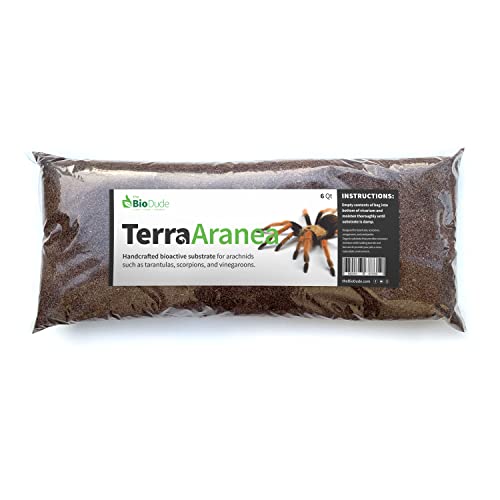
The Bio Dude Terra Aranea substrate is designed for bioactive terrariums and habitual use with tarantulas, centipedes, scorpions, isopods, and millipedes. Its formulation emphasizes proper aeration and drainage to prevent stagnation, while remaining suitable for burrowing and shedding. The substrate helps maintain air flow within tunnels and supports hydration without compacting, promoting healthier molt cycles for tarantulas.
BNOSDM Reptile Soil Substrate
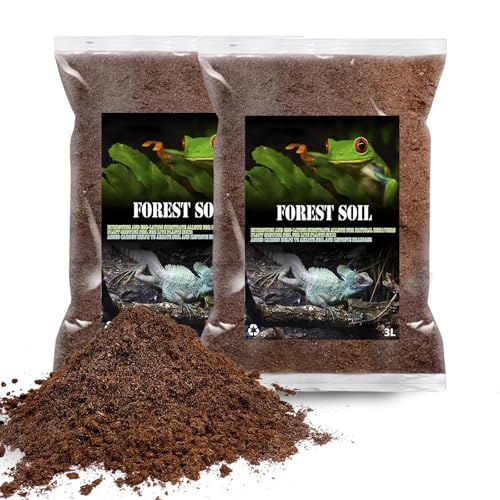
This BNOSDM option is oriented toward moisture management and humidity retention, mimicking natural environments for reptiles and arachnids alike. It supports temperature and humidity stability, enabling tarantulas to create burrows and maintain hydration. Its moisture-absorption properties help regulate humidity spikes, contributing to cleaner enclosure conditions and more predictable molting cycles.
BNOSDM Reptile Soil Substrate (Fluffy Version)

This fluffy, small-strand substrate variant from BNOSDM emphasizes natural digging behavior and humidity maintenance. Its composition aims to support clean bedding while encouraging tarantulas to establish burrows, reducing escape risks and enabling stable microclimates in the terrarium.
Halatool Coconut Fiber Substrate

Halatool’s 1.4 lb coconut fiber bricks offer strong moisture retention and aeration, making them suitable for tarantula enclosures that require higher humidity. The product is designed to expand when hydrated, supporting burrow construction and consistent shedding. Its organic composition aims to minimize contaminants while providing a comfortable substrate for tarantulas and other invertebrates.
Halatool 4 Pack Compressed Coconut Fiber Substrate

This four-pack offers multiple coco coir bricks for larger enclosures or multiple setups. Coconut fiber bricks provide high absorbency and good aeration, aiding odor control and waste breakdown. When hydrated properly, they swell to create a stable, burrow-friendly substrate that supports tarantula welfare and natural behavior.
Buying Guide: Key Purchase Considerations For Tarantula Substrates
Substrate choice influences humidity levels, molt success, and behavior. Users should consider microbial compatibility, ease of maintenance, and enclosure size. For bioactive setups, substrates that support beneficial invertebrates and microfauna can help maintain a balanced ecosystem.
Moisture management is essential. Coco coir-based substrates typically offer superior water retention and aeration, reducing the risk of mold while supporting burrowing. Soils formulated for tropical or arid terrariums can be adapted by adjusting misting schedules and ventilation. Tarantulas with high humidity needs benefit from substrates that retain moisture without becoming waterlogged.
Texture and particle size influence burrowing. Fine to medium particles encourage tunnel construction, while overly fine substrates may compact, hindering shedding and movement. A fluffy mix or layered approach can provide both stability and burrow opportunities, especially for terrestrial tarantulas.
Purity and contaminants matter. Look for substrates free from dyes, fragrances, and chemical additives. Some brands offer natural, biodegradable materials that are safer for invertebrates and easier to dispose of in gardens when needed. For bioactive setups, compatibility with isopods and springtails is a consideration to support a healthy micro-ecosystem.
Maintenance and replacement frequency depend on enclosure size, temperature, and the tarantula’s activity. Substrates with good odor control and moisture regulation reduce cleaning needs and help maintain a stable environment. Always ensure the substrate is appropriate for the species’ humidity and burrowing tendencies.