Choosing the right substrate can dramatically influence plant growth, shrimp health, and overall tank balance. This guide highlights five top substrates designed for planted shrimp tanks, emphasizing nutrient availability, pH stability, and microbe support. Below is a quick summary table of the featured products to help you compare at a glance.
| Product | Brand | Size | Key Benefit |
|---|---|---|---|
| Fluval Plant And Shrimp Stratum | Fluval | 8.8 lbs | Neutral to slightly acidic pH; rapid bacterial colonization |
| Aqueon Plant And Shrimp Substrate | Aqueon | 5 lbs | Supports diverse freshwater plants and invertebrates |
| Fluval Plant And Shrimp Stratum (4.4 lbs) | Fluval | 4.4 lbs | Strong plant growth; safe for newborn shrimp |
| Brightwell FlorinVolcanīt Rio Escuro-XF | Brightwell Aquatics | 2 lbs | Lowers GH and pH; ideal for biotope setups |
| Fluval Plant And Shrimp Stratum (17.6 lbs) | Fluval | 17.6 lbs | High-volume option with neutral to slightly acidic pH |
Across these options, buyers should consider pH stability, nutrient availability for root uptake, porosity for beneficial bacteria, and compatibility with Caridina and Neocaridina shrimp. The following sections detail each product’s strengths and how they fit into different planted-shrimp aquascapes.
Fluval 12694 Plant And Shrimp Stratum

Fluval Stratum is designed to support robust plant growth with easy root penetration and nutrient absorption. The porous structure promotes rapid colonization by beneficial nitrifying bacteria, helping to maintain a healthy tank environment for fish and shrimp alike. The substrate maintains a neutral to slightly acidic pH range, which suits many freshwater plants and shrimp species commonly kept in planted aquariums. Its composition encourages long-term stability and biotope compatibility, making it a versatile choice for mixed shrimp and plant communities.
Aqueon Plant And Shrimp Substrate
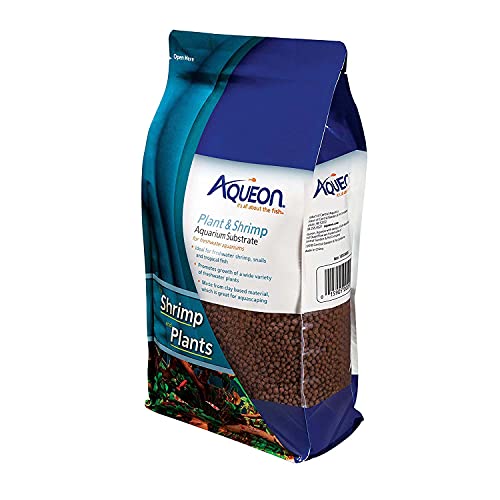
Aqueon’s Aqua Soil substrate is available in a 5-pound bag and is marketed as a versatile option for freshwater tanks hosting plants, shrimp, snails, and tropical fish. It aims to promote the growth of a wide variety of aquatic plants by providing nutrient-rich substrate that supports root development. The product is positioned as a balanced option for mixed communities, with emphasis on plant vitality and overall tank health.
Fluval 12693 Plant And Shrimp Stratum
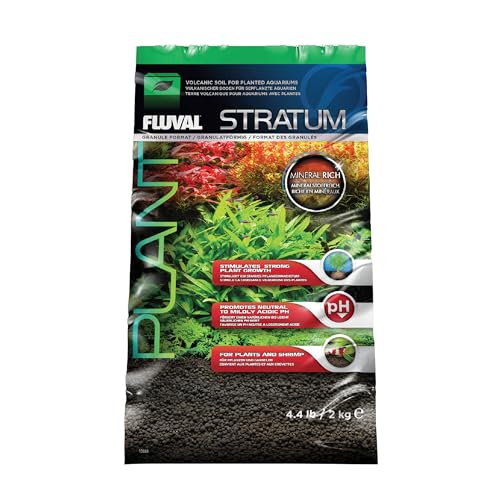
This 4.4-pound Fluval Stratum variant emphasizes rapid colonization by beneficial bacteria, which supports a healthy biofilter and clearer water. It maintains a neutral to slightly acidic pH suitable for live plants and shrimp commonly kept in planted aquariums. Additionally, it provides habitat value for newborn shrimp by offering secure microhabitats within the substrate, enabling safer early development before joining the main display.
Brightwell FlorinVolcanīt Rio Escuro-XF
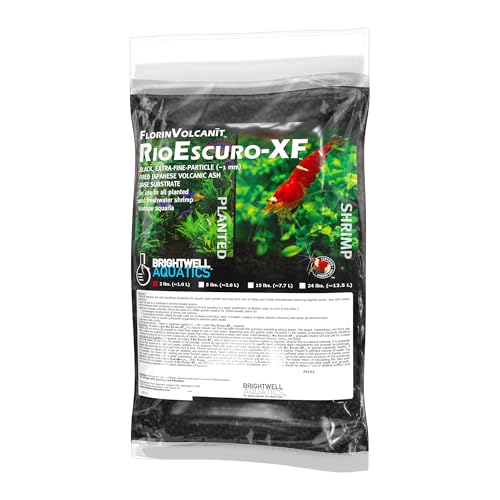
FlorinVolcanīt Rio Escuro-XF is a natural volcanic substrate designed to lower GH and pH, creating a soft-water environment that is favorable for shrimp and delicate plants. Its high porosity supports root growth and nutrient uptake while assisting long-term stability of the tank’s chemistry. Ideal for biotope setups and aquascapes aiming for a natural riverine aesthetic, this substrate suits Caridina shrimp and rhizomatous plant species well.
Fluval 12695 Plant And Shrimp Stratum

This larger 17.6-pound Fluval Stratum variant offers the same foundational benefits—robust plant growth support, rapid nitrifying colonization, and a pH-friendly environment—scaled for bigger tanks or high-density plant-shrimp setups. The substrate’s composition favors sustained nutrient availability at larger volumes, helping maintain stable plant performance and shrimp vitality over time.
Buying Guide: Substrate Considerations For Shrimp And Plants
- pH and GH targets: Most planted shrimp tanks thrive in neutral to slightly acidic water. Substrates that lower or stabilize pH and low to moderate GH help support Caridina and Neocaridina species while maintaining plant health.
- Nutrient availability: Look for substrates with nutrient stores or those that encourage microbial life and root uptake. Porous structures promote biofilm and beneficial bacteria growth, which improves nutrient cycling.
- Root-friendly structure: Fine to medium grain soils with good porosity enable roots to penetrate easily, fostering sturdier plant growth and nutrient absorption.
- Biotope compatibility: For shrimp-focused tanks, choose substrates that resemble natural habitats (soft water, dark substrates for contrast with green plants) to reduce stress and support natural behaviors.
- Maintenance considerations: Some substrates produce more clouding during setup or require rinsing. Consider ease of cleaning and potential long-term maintenance in your planning.
- Tank size and scope: Larger substrates are often more cost-effective for bigger tanks but require more volume to cycle. Choose a size that matches your tank’s dimensions and stock.
- Long-term stability: Substrates with durable mineral content help maintain water chemistry over time, reducing the need for rapid substrate changes after initial setup.
- Plant compatibility: If your focus is root-feeding plants, prioritize substrates with strong nutrient reservoirs and fine texture for root anchoring.
- Aquascaping goals: For biotope recreations, select substrates that match your desired aesthetic and wildlife profile, including color, grain size, and water chemistry.
- Combination strategies: Some aquarists layer substrates—dark top layers for aesthetics and lighter nutrient-rich base layers—to optimize both appearance and plant performance.