Choosing the right substrate is essential for rooted aquarium plants, shrimp, and tropical fish. A good substrate supports nutrient delivery, promotes beneficial bacteria, stabilizes pH, and enhances root growth. This guide highlights five standout substrates designed to boost plant health and tank stability, with practical notes on setup and maintenance to help you compare options at a glance.
| Product | Brand | Key Benefit | Size |
|---|---|---|---|
| Fluval 12694 Plant and Shrimp Stratum | Fluval | Strong plant growth, neutral to slightly acidic pH, supports beneficial bacteria | 8.8 lb |
| Fluval 12693 Plant and Shrimp Stratum | Fluval | Rapid bacterial colonization, pH stability, shelter for newborn shrimp | 4.4 lb |
| Aqua Natural Galaxy Sand Bio-Substrate | Aqua Natural | Seeded with bio-active bacteria for instant cycling | 5 lb |
| Aqueon Plant and Shrimp Substrate | Aqueon | Supports diverse freshwater plants and invertebrates | 5 lb |
| CaribSea Midnight River Sand | Carib Sea | Natural look, supports biology, suitable for rooted plants and shrimp | 10 lb |
Fluval Stratum For Strong Plant Growth

Fluval Stratum is designed to promote robust plant growth by improving root penetration and nutrient absorption. Its porous composition supports the rapid establishment of beneficial nitrifying bacteria, contributing to a stable, healthy aquarium ecosystem. The substrate is formulated to maintain a neutral to slightly acidic pH, which is favorable for many aquatic plants, tropical fish, and shrimp commonly kept in planted tanks.
Fluval Stratum For Shrimp and Plants (Small Bag)
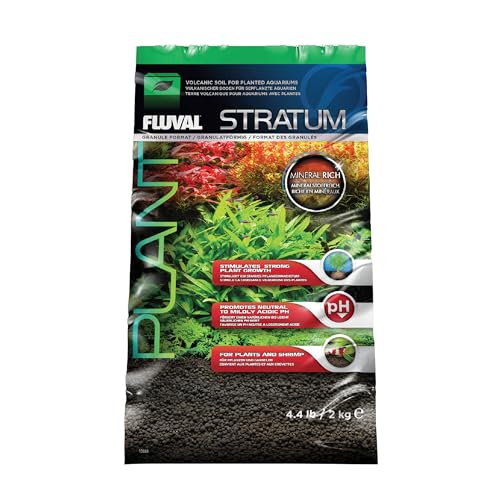
This Stratum variant focuses on rapid, beneficial colonization and pH stability, creating an ideal base for plants and shrimp. It also offers a protective environment for newborn shrimp, helping them stay safe until they grow large enough to join the main tank. Its neutral-to-slightly acidic pH compatibility supports a broad range of species commonly kept by hobbyists.
Aqua Natural Galaxy Sand Bio-Substrate

Aqua Natural Galaxy Sand is pre-seeded with bio-active, live nitrifying bacteria, enabling instant cycling of the aquarium. The bio-activated bacteria help establish a healthy nitrogen cycle quickly, supporting stable water conditions for plants, fish, and invertebrates. This substrate is suitable for a variety of planted tank setups and can be used alone or mixed with other substrates to tailor grain size and texture.
Aqueon Plant And Shrimp Substrate
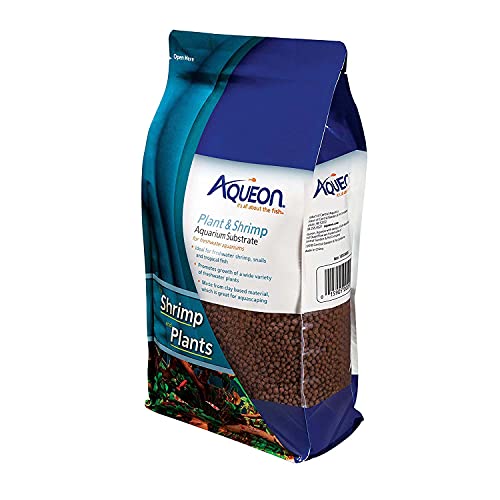
Aqueon’s plant and shrimp substrate is offered in a 5-pound bag and is designed to benefit a wide range of freshwater plants, shrimp, snails, and tropical fish. It supports lush plant growth and provides a stable foundation for rooting species, helping to foster a vibrant, low-maintenance planted aquarium environment.
CaribSea Midnight River Sand

Midnight River Sand provides a smooth, natural riverbed appearance with fine black grains that enhance the look of rooted plant beds and bottom-dwelling inhabitants. Its fine texture supports natural biological balance through improved filtration and substrate stability, making it suitable for planted tanks and aquascapes that emphasize contrast with colorful flora and fauna.
Fluval Natural Mineral-Rich Volcanic Soil
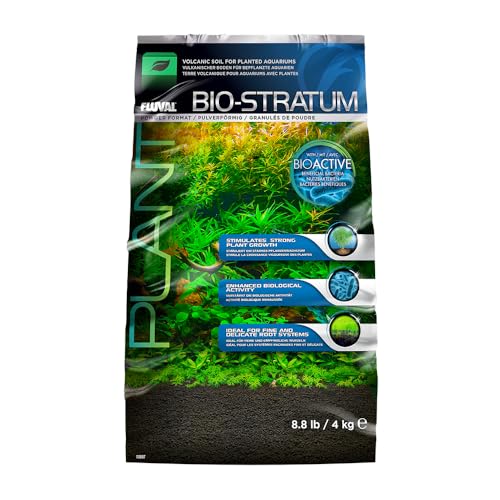
This mineral-rich volcanic soil substrate supports vigorous plant development and vibrant coloration. It activates beneficial water conditions by releasing nutrients and fostering beneficial bacteria upon contact with water. It also helps stabilize the aquarium environment by reducing ammonia levels, supporting a healthy setup for new and established tanks alike.
Aqua Natural Sugar White Sand Bio-Substrate

Aqua Natural Sugar White Sand is seeded with bio-active nitrifying bacteria for instant cycle capability. It can be used as the primary substrate or mixed with other Aqua Natural sands to tailor aesthetics and grain size while still supporting a healthy nitrogen cycle and plant rooting.
Buying Guide: Key Purchase Considerations For Plant-Focused Substrates
When selecting substrate for live aquarium plants, consider control of nutrients, grain size, pH compatibility, and bacterial colonization. Fine-grain substrates favor rooting and microfauna, while larger grains improve water flow and waste separation. Substrates marketed as “bio-active” or “seeded with nitrifying bacteria” can accelerate cycling but may require careful monitoring during the initial setup. For shrimp and delicate fry, assess shelter, grain texture, and potential impact on water chemistry. Finally, match substrate choices to your plant species, livestock, and long-term maintenance goals.
Practical tips to optimize results:
– Layer strategies: Consider a nutrient-rich base layer with a thinner top layer for aesthetics and easier maintenance.
– Water chemistry: Some substrates stabilize pH toward neutral or mildly acidic ranges; plan plant selections accordingly.
– Maintenance: Regular partial substrate cleaning helps prevent nutrient build-up and detritus pockets.
– Compatibility: Confirm substrate compatibility with your specific plant varieties, shrimp, and fish to maximize health and growth.