Selecting the right substrate is essential for Kenyan Sand Boas, helping regulate humidity, aid burrowing, and support a natural behavior pattern. The following selections are sand- and desert-focused substrates from reputable brands that are commonly used in reptile and terrarium setups. This guide highlights five substrates with strong drainage, particle size suitable for burrowing, and compatibility with desert-appropriate enclosures.
| Product | Brand | Type | Key Benefit |
|---|---|---|---|
| Aqua Natural Sugar White Sand 10lb | Aqua Natural | Sand Substrate | Triple washed, kiln dried; clean sand with low fines for minimal blow-around |
| Aqua Natural Sugar White Sand Bio-Substrate 5lb | Aqua Natural | Bio-Substrate | Seeded with nitrifying bacteria; supports quick cycle and bioactivity |
| Aqua Natural Galaxy Sand Bio-Substrate 5lb | Aqua Natural | Bio-Substrate | Bio-activated bacteria; instant cycling capability |
| The Bio Dude Terra Sahara Substrate 6 quarts | BIODUDE | Desert Substrate | Balanced desert mix; reduces humidity; supports plant life |
| CaribSea Midnight River Sand – 10 lbs | Carib Sea | River Sand | Fine black substrate with natural look; suitable for planted tanks and aquascapes |
Note: The table above highlights substrates favored for desert- and sand-appropriate enclosures. For Kenyan Sand Boas, the focus is on particle size, stability, and minimal moisture retention, while allowing burrowing behavior to occur naturally.
Aqua Natural Sugar White Sand 10lb

Triple washed and kiln dried sand offers a clean substrate with minimal toxins or foreign matter. The 0.5–1 mm grain size provides a dense composition that resists blowing around in the enclosure, which helps maintain a stable burrowing surface. Ethically sourced in New Zealand under license, this substrate emphasizes natural composition without fines that can cloud terrariums or aquariums.
The Bio Dude Terra Sahara Substrate 6 Quarts
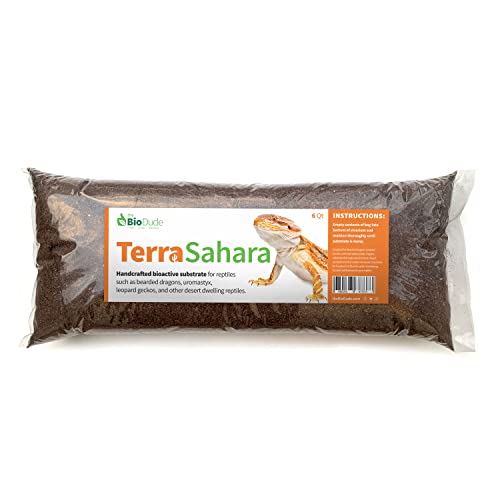
Designed for desert environments, Terra Sahara substrate supports a wide range of desert plants and helps maintain proper water balance in the soil layers. The bio-balanced mix aims to sustain a stable ecosystem within the terrarium, which is beneficial for keepers seeking a resilient substrate that can accompany multiple bearded dragons, geckos, and sand boas over extended periods.
Aqua Natural Sugar White Sand Bio-Substrate 5lb

Seeded with bio-active live nitrifying bacteria, this substrate is suitable as a primary substrate or mixed with standard sugar white sand. It provides the advantage of instant cycling and can help establish a healthier microbial balance in a new terrarium or simple desert setup for sand boas, while preserving burrowing texture and appearance.
Aqua Natural Galaxy Sand Bio-Substrate 5lb

This bio-substrate is seeded with bio-active nitrifying bacteria and designed to cycle an aquarium instantly. It adds microbial life that can help in maintaining water quality and soil nutrients while offering a consistent deep-burrowing texture suitable for Kenyan Sand Boas and similar species.
CaribSea Midnight River Sand

Fine black grains create a natural, visually striking riverbed suitable for fresh-water aquariums and aquascaping. The slim grain size supports rooted plants, bottom-dwelling species, and is also a good visual match for desert-like enclosures where a dark substrate enhances contrast with lighting. It contributes to a balanced substrate that is stable for burrowing behavior.
Buying Guide: Substrate Considerations For Kenyan Sand Boas
Substrate selection hinges on a balance between burrowing behavior, humidity control, and ease of maintenance. For desert-inspired setups, sand-like substrates with grain sizes around 0.5–1.0 mm are generally favored to allow digging without compaction. Bioactive or bacteria-seeded substrates can offer benefits in tank cycling, but require careful monitoring to avoid imbalances in enclosed environments. Des. substrates with low fines and minimal dust help prevent respiratory issues. When choosing a substrate, consider enclosure size, humidity targets, and whether you prefer inert sand or a substrate with bioactivity to support microbial life.:
Key considerations:
– Particle Size and Texture: Favor medium-grade sand (roughly 0.5–1.0 mm) for natural burrowing without clumping.
– Humidity and Drainage: Desert substrates should drain well to avoid excess humidity; avoid substrates known to hold moisture.
– Bioactivity: Bio-substrates seed bacteria that can accelerate cycling, but require monitoring for ammonia spikes and nitrate management.
– Aesthetics: Darker substrates can provide contrast to highlight boas and their movement, while lighter sands may show waste more clearly.
– Maintenance: Choose substrates that resist compaction, minimize dust, and are easy to spot clean.
– Compatibility: Ensure the substrate works with both terrarium and desert-appropriate plant life if your setup includes flora.
– Longevity: Some substrates last longer before needing replacement, while bio-substrates can evolve biologically over time.