Maintaining optimal phosphate levels is essential for healthy reef ecosystems. This article highlights effective phosphate removers designed for marine and reef aquariums, helping prevent algae blooms while protecting corals and other inhabitants. Below you’ll find five proven products, a quick buying guide, and practical considerations to help you choose the right solution for your tank.
| Product | Brand | Form | Capacity |
|---|---|---|---|
| Phosphat-E Liquid Phosphate Remover (4.2 oz) | Brightwell Aquatics | Liquid | 4.2 fl oz |
| PhosGuard | Seachem | Bead/Granular | 100 mL |
| ClearMax Phosphate Remover | Fluval | Filter Media | 100 g (3-pack) |
| Phosphat-E Liquid Phosphate Remover (8.45 oz) | Brightwell Aquatics | Liquid | 8.45 fl oz |
| PhosGuard (1 Liter) | Seachem | Bead/Granular | 1 L |
Note: The list focuses on products commonly used in reef and marine systems. Always follow label directions and test water parameters regularly to prevent over-removal of nutrients essential for coral growth and microbial balance.
Brightwell Aquatics Phosphat-E Liquid Phosphate Remover (4.2 oz)
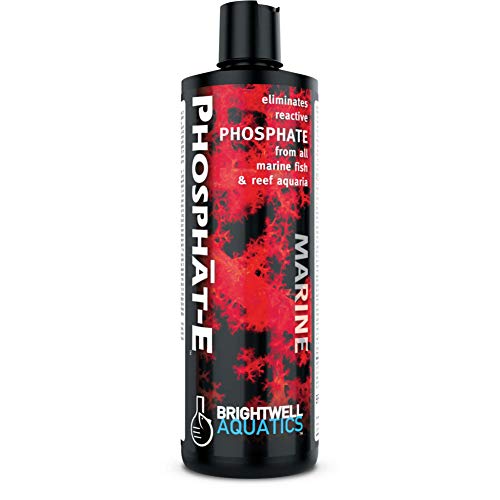
Brightwell Phosphat-E is formulated to rapidly reduce reactive phosphate in heavily stocked reef and marine aquariums. It provides a quick, precise reduction while remaining safe for all tank inhabitants. The product supports ongoing phosphate management and is compatible with typical reef husbandry routines. After treatment, users may observe temporary cloudiness or false positives in some phosphate test kits due to the chemical interactions within the water. This is normal and usually resolves with normal filtration and time.
Performance notes: Phosphat-E acts as a fast-acting remover, targeting elevated phosphate levels that can fuel nuisance algae. For best results, pair with routine testing and a stable maintenance plan. As with many chemical treatments, initial readings may vary slightly; methodical dosing and observation over several days will provide clearer trends.
Seachem PhosGuard (100 mL)

PhosGuard is a high-capacity, highly porous media designed to rapidly remove phosphate and silicate from both marine and freshwater aquariums. It features a bead shape optimized for water flow, ensuring efficient contact with the water as it runs through filtration systems. Seachem notes that PhosGuard outperforms many competing products in removing these compounds, helping to prevent algal blooms and supporting coral health. Replacement is straightforward, and it integrates with standard canister filters or sumps.
Usage guidance: Place PhosGuard in a compatible filter media chamber and replace as needed based on phosphate/test results. Avoid exposing PhosGuard to direct sunlight, as UV exposure can affect performance. Always monitor phosphate and silicate levels to gauge replacement timing and maintain water clarity.
Fluval ClearMax Phosphate Remover (100 g)
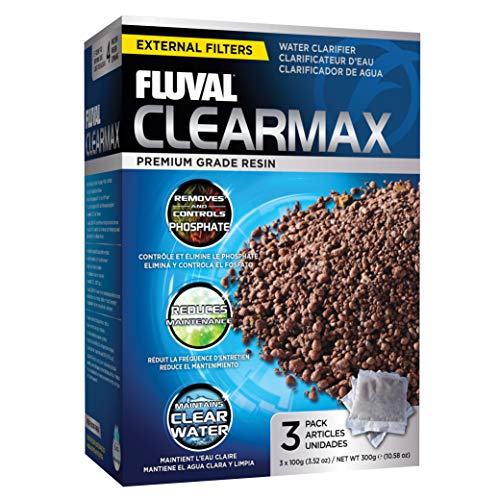
ClearMax is a premium resin-based media designed to absorb phosphate, nitrite, and nitrate. It’s marketed to improve water clarity and reduce odors by lowering dissolved nutrients in the aquarium. The media is compatible with Fluval canister filters and can be used in various breeding, reef, and all-fish setups. ClearMax aims to simplify maintenance by providing a reliable way to keep nutrient levels in check and help maintain a stable and clear aquarium environment.
Practical considerations: The 100-gram packs are convenient for multi-reef setups or medium-sized tanks. It’s important to acclimate to new media changes gradually and test phosphate levels regularly to avoid overdosing or excessive nutrient removal that could affect corals and symbiotic organisms.
Brightwell Aquatics Phosphat-E – Liquid Phosphate Remover (8.45 oz)
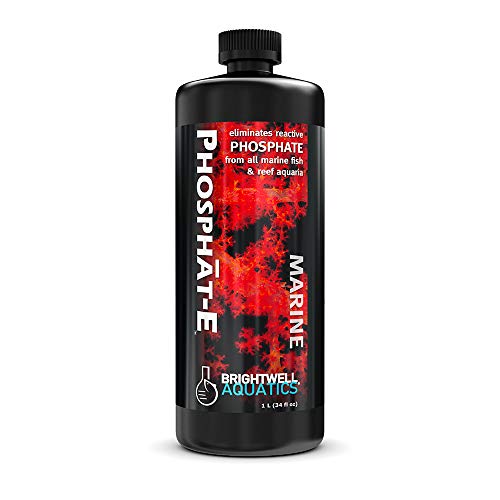
This larger bottle of Phosphat-E provides extended phosphate reduction with the same safety profile suitable for reef and marine aquariums. It’s designed to offer a robust solution for ongoing phosphate control in tanks that experience higher bioload or aggressive filtration regimes. As with smaller volumes, the product can temporarily affect test readings and water appearance, which typically stabilizes with routine maintenance and filtration.
Operational guidance: When using liquid removers, begin with the recommended dose and recheck phosphate levels after 24–48 hours. If elevations persist, consider increasing the dosing interval or volume according to the product guidelines and tank size. Pair with regular testing to track effectiveness and maintain coral health.
Seachem PhosGuard 1 Liter
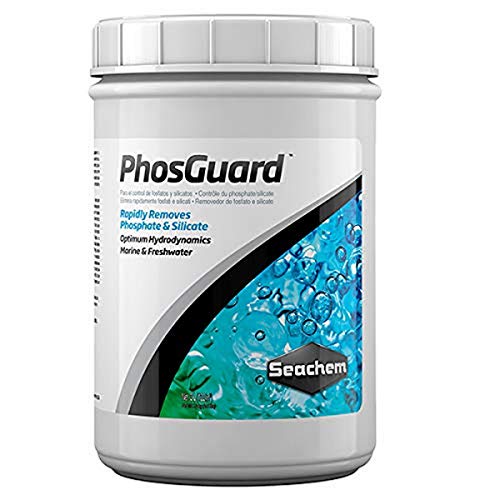
PhosGuard is a versatile media designed to capture phosphate and silicate in marine, reef, and freshwater systems. The 1-liter size provides a long-lasting option for mid to large tanks. The product emphasizes strong chemical binding to prevent re-release of removed compounds, making it a reliable choice for ongoing phosphate management. It is especially valued in systems where consistent nutrient control supports coral growth and water stability.
Best practices: Place PhosGuard in a suitable filter chamber and monitor phosphate levels to determine replacement timing. It’s compatible with many filtration setups but does work best in systems designed for chemical media. Regular testing helps ensure that phosphate remains within desirable ranges for reef health.
Buying Guide: Key Considerations For Phosphate Removal
Tank size and bioload
Larger or heavily stocked tanks may require higher-capacity media or more frequent dosing. Assess your bioload before selecting a product, and plan for additional replacements or media changes as needed to maintain stable phosphate levels.
Media type and compatibility
Liquid removers offer quick reductions and precise dosing, while media like PhosGuard and ClearMax work within filter systems. Consider your filtration setup—canister filters, sumps, or a hang-on filtration unit—when choosing media type to ensure compatibility and optimal contact with the water.
Impact on water parameters
Phosphate removers can transiently affect test readings and water clarity. Expect some temporary cloudiness or variances in phosphate test results after treatment. Regular testing helps verify long-term effectiveness and prevents unintended nutrient depletion.
Maintenance and replacement
Media-based removers require replacement on a timetable tied to tank size and phosphate levels, whereas liquids have dosing schedules. Create a maintenance plan that includes routine testing and a replacement or recharge schedule to sustain reef health over time.
Cost and availability
Consider total cost of ownership, including the frequency of replacement and the size of the tank. Compare products with similar phosphate removal capacity and factor in shipping or store availability to determine the most cost-effective option for your reef system.
All five products presented here are established options for managing phosphate in reef and marine tanks. By aligning product selection with tank size, filtration setup, and testing routines, hobbyists can maintain coral health and water clarity while mitigating nuisance algae growth.