Choosing the right pH additives helps maintain a stable, plant-friendly aquarium. The following products are popular options for raising or lowering pH in freshwater tanks while remaining safe for fish and aquatic plants. Each entry highlights how it works, safe usage, and what to consider when selecting a product for your setup.
| Product | Brand | Purpose | Key Benefit |
|---|---|---|---|
| API pH UP Freshwater Aquarium Water pH Raising Solution | API | Raises pH | Phosphate-free formula; safe for plants and fish |
| API pH DOWN Freshwater Aquarium Water pH Reducing Solution | API | Lower pH | Phosphate-free; safe for plants and fish |
| Tetra Correct pH Tablets | Tetra | Maintain neutral pH | Easy-to-use tablet form; helps reduce stress in fish |
| KORDON pH Decrease Adjuster | Kordon | Lower pH in tanks | Works in freshwater and saltwater; compatible with stabilizers |
| API Aquarium Pharmaceuticals 30B pH Down Aquarium pH Adjuster | API | Lower pH | Safe for fish and plants; freshwater use |
API pH UP Freshwater Aquarium Water pH Raising Solution
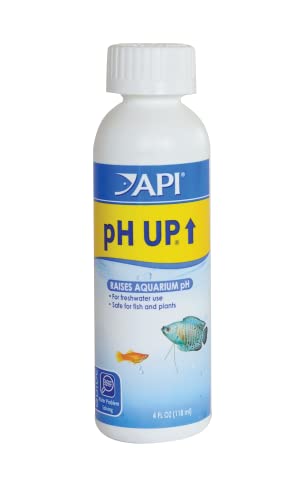
Product overview: Contains a single 4-ounce bottle designed to raise freshwater aquarium pH. The formula is phosphate-free and intended to be safe for both plants and fish. Use with pH testing to avoid rapid changes and ensure a stable environment for plants that prefer higher pH levels. Suitable for tanks where a mild pH increase is needed to support certain plant species or to counter acidic tap water.
API pH DOWN Freshwater Aquarium Water pH Reducing Solution
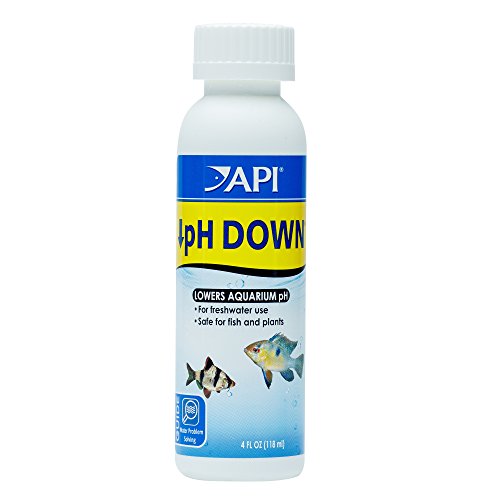
Product overview: A 4-ounce bottle formulated to lower pH in freshwater aquariums. The phosphate-free composition aims to minimize algae risk while remaining safe for plants and fish. Ideal for tanks where tap water is too alkaline or where specific plant species require a lower pH. Use gradual dosing and monitor pH with a reliable test kit.
Tetra Correct pH Tablets

Product overview: A set of tablets designed to maintain a neutral pH in aquariums. Tablets offer a convenient method to stabilize pH for several weeks, reducing stress on fish and supporting stable plant growth. Useful as a complementary approach alongside regular water testing and quality maintenance. Ensure compatibility with your substrate and plant species when dosing.
KORDON #35326 pH Decrease Adjuster

Product overview: A 16-ounce pH decreasing solution designed to gradually lower pH levels in both fresh and saltwater tanks. It pairs well with pH stabilizers and other buffering products to maintain a balanced, healthier environment for fish and plants. Use slowly and test regularly to avoid rapid shifts in water chemistry.
API Aquarium Pharmaceuticals 30B pH Down

Product overview: A 16-ounce pH down adjuster for freshwater aquariums. This product highlights safe reduction of pH levels, suitable for tanks where plants and fish require a slightly more acidic environment. Always add gradually and verify the resulting pH with a dependable test kit to prevent stress to tank inhabitants.
API Proper pH 7.5 Freshwater pH Stabilizer

Product overview: A sodium-free stabilizer designed to set and maintain pH around 7.5 in freshwater tanks. Useful for tanks without live plants or where a neutral pH supports fish coloration and health. Works best when paired with routine water testing and gradual dosing to maintain stability.
Buying Guide: Key Purchase Considerations
- Target pH range: Identify the desired pH level for your fish and plants. Some species thrive at neutral or slightly alkaline pH, while others prefer softer, more acidic water. Use targeted products accordingly.
- Phosphate content: Many pH products advertise phosphate-free formulas to minimize algae growth. If you’re managing nutrient balance, consider phosphate-free options.
- Buffering vs adjusting: Some products are buffers that stabilize pH, while others actively raise or lower pH. For volatile water, buffers can provide ongoing stability; for dramatic shifts, separate adjustment products may be needed.
- Plant and fish safety: Check that the product is labeled safe for both plants and fish. Some formulations may affect plants differently than fish; testing is essential after dosing.
- Testing cadence: Regular water testing (pH, KH, GH) helps prevent sudden changes. Maintain a dosing log to track how your tank responds over days or weeks.
- Compatibility with other chemicals: If you use Beneficial bacteria, conditioners, or plant fertilizers, ensure the chosen pH product does not interfere with their activity.
- Dosing protocol: Follow gradual dosing guidelines. Sudden pH changes stress aquatic life; plan for slow adjustments over days, not hours.
- Tank size and stability: Larger tanks resist pH swings more effectively. In small or heavily stocked tanks, dosing should be more conservative and monitored.
- Testing kit quality: Invest in a reliable pH test kit or digital tester. Accurate readings are critical for safe adjustments.
- Maintenance context: Consider routine maintenance goals—topping off with dechlorinated water, substrate cleaning, and plant trimming—as part of a broader strategy to keep pH stable.