Omega-3 fatty acids are a popular choice for supporting feline heart health, skin and coat, and overall immune function. This guide reviews five highly regarded cat-focused options, highlighting key features, absorption form, and usage tips to help caregivers choose the right supplement for their cat.
Summary of chosen products
| Product | Brand | Form | Approx. Omega-3 MG per mL | Why It Stands Out |
|---|---|---|---|---|
| Omega-3 Cat | Nordic Naturals | Liquid | 304 | Pet-specific formula, triglyceride form for absorption |
| Omega-3 Pet | Nordic Naturals | Liquid | 294 | For cats and small pets, triglyceride form |
| Freshly Bailey Omega 3 | Freshly Bailey | Liquid | 330 | Natural triglyceride form, no artificial additives |
| Planopaws Omega 3 | planopaws | Liquid | Unknown | Iceland-sourced, purified for safety |
| HEAPETS Wild Alaskan Salmon Oil | HEAPETS | Liquid | EPA/DHA varied by batch | Broad pet use with simple dosing |
Nordic Naturals Omega-3 Cat, Unflavored

This Nordic Naturals Omega-3 Cat is specifically formulated for cats, using the same high-quality fish oil found in their human products. The liquid is designed for easy dosing and aims to support heart, skin, coat, and immune health. It uses triglyceride molecular form for optimal absorption, a characteristic linked to better bioavailability in pets.
Key points include EPA & DHA content and a warning to use only pet-specific products for cats. The product emphasizes proactive protection through essential fatty acids that contribute to overall wellbeing. Administration is straightforward through the liquid format, making it suitable for picky eaters with careful mixing.
Nordic Naturals Omega-3 Pet, Unflavored

Designed for cats and small dogs, this Omega-3 Pet product mirrors the quality of Nordic Naturals’ human oils while being tailored to small pets. EPA and DHA support heart, skin, coat, and immune health. The triglyceride form promotes better absorption in pets, with clear guidance to use pet-specific formulas rather than human oils. It’s a practical choice for households with multiple small companions.
Freshly Bailey Omega 3 Fish Oil for Cats
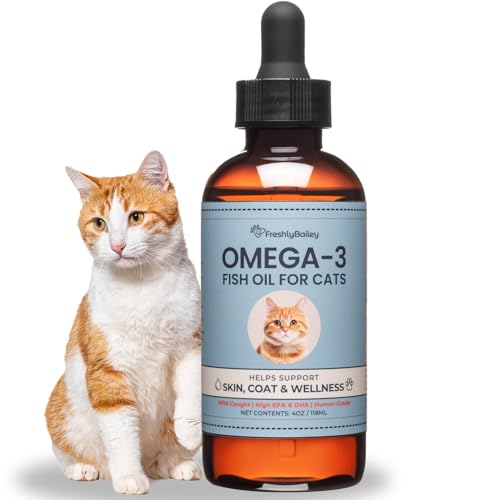
Freshly Bailey offers a cat-focused omega-3 fish oil in a natural triglyceride form. The product emphasizes skin and coat support, joint health, and immune wellness with EPA and DHA. It highlights minimal processing and the absence of artificial flavors or preservatives. Many users report improvements in dandruff and coat shine within days, especially for indoor cats or those with seasonal shedding.
HEAPETS Wild Alaskan Salmon Oil

HEAPETS Salmon Oil is marketed for both dogs and cats, with a wild Alaskan source and EPA/DHA content aimed at skin, coat, immune, brain, joint, and heart health. The product stands out for pet owners seeking a single oil that can serve multiple companions. It’s produced in FDA-registered facilities with third-party testing to ensure safety and quality, and dosing is straightforward with a pump bottle.
Zesty Paws Wild Alaskan Omega-3 Blend (Pollock + Salmon) 32oz

Zesty Paws offers a large 32-ounce bottle designed for both dogs and cats, providing omega-3 fatty acids for skin, coat, immune support, and heart function. The liquid formula is easy to mix into food, avoiding capsules for pet owners seeking simple daily supplementation. The product emphasizes easy dosing and coat nourishment, making it a practical option for households with multiple pets.
Zesty Paws Wild Alaskan Omega-3 Blend (Pollock + Salmon) 16oz

This smaller option from Zesty Paws provides the same omega-3 profile in a 16-ounce bottle, offering a consumer-friendly size for smaller households or trial use. The product highlights skin and coat nourishment, immune support, and a convenient food topper format. It’s suitable for cats and dogs alike and blends well with most meals.
Buying Guide: Key Considerations for Choosing an Omega-3 for Cats
Selecting an omega-3 supplement for a cat involves assessing absorption, safety, and individual health needs. The following points cover practical considerations and how to compare products.
- Source and purity: Look for fish oils sourced from clean oceans and molecularly distilled to remove toxins. Pet-specific formulas reduce the risk of unnecessary additives.
- Form and absorption: Liquid triglyceride forms are commonly preferred for cats due to better absorption compared with some other formats. Confirm EPA and DHA levels to gauge potency.
- Species suitability: Ensure the product is labeled for cats or pets and is not a human oil, which may contain ingredients unsuitable for felines.
- Dosing and administration: Liquid oils should have a straightforward dosing schedule. Consider pumps or droppers that suit your cat’s temperament and meal routine.
- Safety and additives: Avoid products with artificial flavors, sweeteners, or preservatives that could upset sensitive cats. Check for potential allergens.
- Quality assurances: Look for third-party testing, GMP facilities, and clear ingredient lists to verify quality and safety.
- Veterinary guidance: If your cat has a medical condition or takes other medications, consult a veterinarian before starting an omega-3 supplement to avoid interactions.
In practice, owners often select a product based on coat and skin concerns, then monitor changes in shedding, dandruff, and overall vitality. While omega-3s are generally safe, consistency in dosing and product quality remain crucial for achieving steady benefits over time.