Horses with ulcers benefit from targeted nutritional support that promotes a healthy digestive tract and calmer inflammation. This article reviews select oil supplements that are commonly used to support coat health, immune function, and overall wellbeing, while considering how they may fit into a management plan for ulcer-prone horses. The following options are chosen for palatability, purity, and omega fatty acid profiles, with a focus on natural, vet-recommended value.
| Product | Brand | Key Benefit | Approx. Volume |
|---|---|---|---|
| Sammy’s Shiny Coat Flax Oil | Sammy’s Shiny Coat | Omega-3 rich, supports skin, coat, immune and joint health | 1 Gallon |
| SmartEquine CocoSoya Oil | SmartEquine | Omega 3, 6, 9 fats for coat shine and skin health | 1 Gallon |
| EQUIPURE 3 Natural Oils | EQUIPURE | Blended flax, sunflower, carrot oils for coat, digestion, joints | 1 Gallon |
| DAC Oil Supplement | DAC | Shine, blend of flaxseed and fish oils with vitamin E | 5 Gallon |
| Wholesome Blends Omega Plus Oil | TRIBUTE | Omega 3s, anti-inflammatory potential, improved respiratory function | 1 Gallon |
Sammy’s Shiny Coat Flax Oil Overview

Sammy’s Shiny Coat Flax Oil is a 100% pure flaxseed oil, cold-pressed and non-GMO. This flax oil supports omega-3 fatty acids that may aid inflammation reduction and cardiovascular function. It is designed to promote a healthier coat and immune health, with additional guidance from veterinary recommendations for digestive support.
SmartEquine CocoSoya Oil Overview

SmartEquine CocoSoya Oil combines soybean and coconut oils to deliver omega 3, 6, and 9 fatty acids. This multi-fat blend supports coat health and skin condition from the inside out, with emphasis on a lustrous appearance and digestive comfort considerations that can accompany ulcer-prone horses when used as part of a balanced diet.
EQUIPURE Three-Natural Oils Overview

EquiPure blends flaxseed, sunflower, and carrot oils to deliver a broad spectrum of fatty acids and fat-soluble vitamins. Benefits highlighted include coat defense, skin health, digestion facilitation, and cardiovascular and immune support. The blend is crafted to be natural and free of GMO ingredients or soy.
DAC Oil Supplement Overview
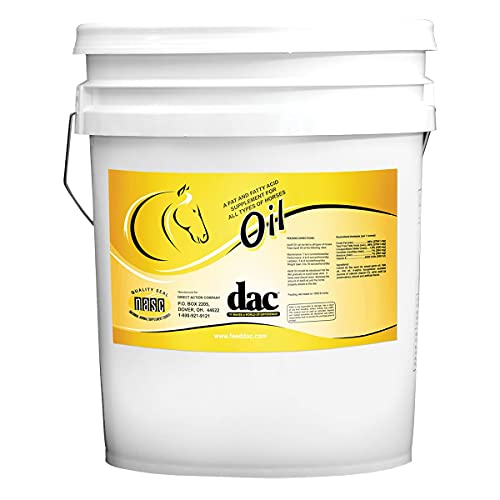
DAC Oil Supplement for all horses features a high-fat content and a blend of flaxseed and fish oils with vitamin E. This formula aims to enhance coat shine while providing essential fatty acids that may support metabolic and immune health, useful for ulcer-prone horses under veterinary guidance.
Wholesome Blends Omega Plus Oil Overview

Wholesome Blends Omega Plus Oil emphasizes improved palatability and a comprehensive omega fatty acid profile. It supports anti-inflammatory pathways and respiratory function, with a focus on natural ingredients that align with a veterinarian-guided ulcer management plan.
Buying Guide: Key Purchase Considerations
- Omega fatty acid balance: Look for oils rich in omega-3s (alpha-linolenic, EPA, DHA) and a favorable omega-6 to omega-3 ratio to aid inflammation control and digestion support.
- Purity and sourcing: Choose cold-pressed, non-GMO, and additive-free oils when possible. Vet-recommended and horse-specific formulations are preferable for ulcer-prone horses.
- Palatability and acceptance: If a horse is a picky eater, consider flavored options or blends that improve intake without compromising nutrient quality.
- Volume and feeding guidelines: Larger bottles may be cost-effective, but ensure you follow dosage guidance to maintain consistent intake and avoid digestive upset.
- Joint and immune considerations: Some oils include vitamin E or additional nutrients that support immune health and joint function, which may complement ulcer management.
- Veterinary coordination: Always align supplement use with a veterinarian’s guidance, especially for ulcers, to ensure compatibility with an existing feeding plan and medications.
When selecting an oil for a horse with ulcers, prioritize products that support intestinal comfort, mucosal integrity, and overall wellbeing, while avoiding unnecessary fillers or allergen triggers. A gradual introduction and consistent dosing can help monitor tolerance and effectiveness as part of a broader ulcer management strategy.