Selecting the right filter media is essential for maintaining water quality in canister-filtered aquariums. This guide highlights five well-regarded options designed to improve clarity, control ammonia, and support beneficial bacteria. Each product is evaluated on compatibility, filtration type, and how it fits into a balanced aquatic environment. Use this roundup to compare media designed for mechanical, chemical, and biological filtration within popular canister systems.
| Product | Brand | Primary Filtration Type | Approximate Use |
|---|---|---|---|
| Fluval Zeo-Carb Chemical Filter Media | Fluval | Chemical (zeolite + carbon) | Water clarification and ammonia removal |
| Fluval Carbon Filter Media | Fluval | Chemical (carbon) | Water clarity and odor removal |
| Fluval BioMax Biological Media | Fluval | Biological | Ammonia/nitrate control with biofiltering |
| Fluval ClearMax Phosphate Remover | Fluval | Chemical (phosphate remover) | Phosphate, nitrite, nitrate reduction |
| Marineland Bio-Filter Balls | MarineLand | Biological | Beneficial bacteria support and biofiltration |
Note: All products listed are designed for use with common canister filter models and can be mixed to meet specific water chemistry and clarity goals. Follow manufacturer instructions for installation and replacement intervals to maintain optimal filtration performance.
Fluval Zeo-Carb Chemical Filter Media

Compatibility centers on Fluval canister models such as 106, 206, 306, 406, FX series, and more. Zeo-Carb blends Zeolite and Ammonia Remover to eliminate impurities, odors, and discoloration while actively removing toxic ammonia. This media supports an ideal environment by clarifying water and reducing odors, helping maintain a healthy aquarium for fish and plants. When integrating Zeo-Carb, ensure it matches your specific Fluval filter model for optimal contact and flow.
Fluval Carbon Filter Media for Aquariums
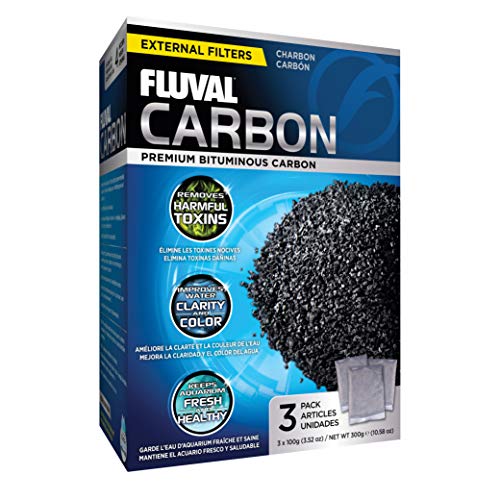
This premium, low-ash carbon provides large surface area for adsorption of impurities, helping to clarify water and remove odors. It is compatible with a wide range of Fluval canister filters. A key caution is to remove carbon when administering medication in the tank and to use cautiously with live plants, as carbon can absorb some beneficial chemicals. Regular replacement supports ongoing clarity and odor control in freshwater setups.
Fluval BioMax Biological Material Remover
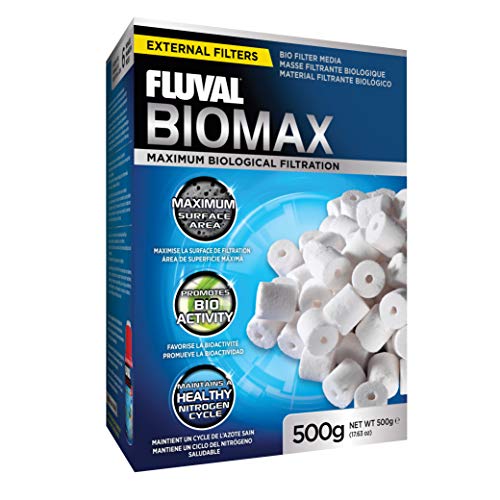
BioMax provides premium-grade biological filtration and is designed to reduce and control ammonia and nitrate levels, contributing to stable water chemistry. The porous design ensures optimal contact time as water passes through, supporting crystal-clear water and favorable conditions for both fish and aquatic plants. This media is compatible with Fluval Series filters: 106, 206, 306, 406, FX5, FX6, and related models, enhancing the tank’s nitrogen cycle management.
Fluval ClearMax Phosphate Remover
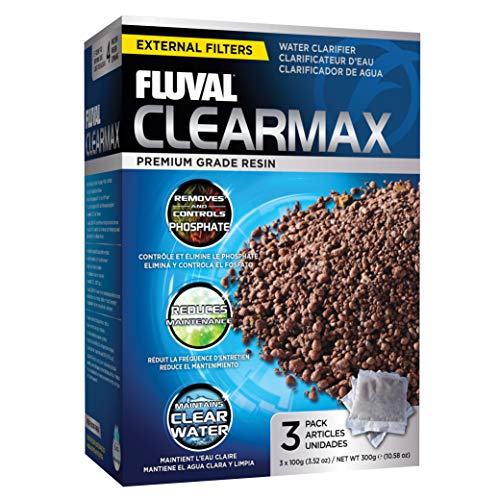
ClearMax is a premium resin-based chemical media that targets phosphate, nitrite, and nitrate, helping reduce maintenance demands and odors. It contributes to crystal-clear water and supports favorable conditions for both fish and plants. It is suitable for Fluval canister filters of various series, and is best used as part of a broader water-clarity strategy, particularly in tanks with heavy feeding or overstocking concerns. Always follow dosage and replacement guidelines to avoid nutrient imbalances.
Marineland Bio-Filter Balls

Bio-Filter Balls are designed to support biological filtration by offering a large surface area for beneficial bacteria. They help maintain a healthy nitrogen cycle and contribute to clearer water by stabilizing biological processes. These media balls are widely compatible with various canister configurations and can be used to augment other media types, enabling a balanced approach to filtration. Their inert composition preserves water parameters while promoting robust nitrification and denitrification activity in the filter bed.
Buying Guide: Key Purchase Considerations For Canister Filter Media
- Filtration Type: Combine mechanical (to trap debris), chemical (to remove dissolved impurities), and biological (to host beneficial bacteria) media to create a complete filtration cycle. Identify which stage needs reinforcement based on tank stock, feeding patterns, and water testing results.
- Tank Type and Inhabitants: Freshwater and planted tanks may benefit from carbon removal of odors and browning compounds, while reef or heavily stocked tanks may require specialized media like phosphate removers or ammonia-control media.
- Filter Compatibility: Check your canister model’s media compatibility and maximum media volume. Some media are formulated for Fluval systems, while others are universal but may have flow-rate considerations.
- Maintenance Schedule: Media should be replaced or recharged according to manufacturer guidelines and water test results. Overuse of chemical media can strip beneficial minerals or alter pH, so monitor water parameters closely.
- Medication Considerations: Carbon and certain resins may remove medicines from the water. Plan treatment steps with the media in mind and remove chemical media during treatment as recommended by product guidelines.
- Agricultural and Plant Considerations: Some media can impact plant growth by removing nutrients (phosphate or nitrate). Balance requirement with plant needs, especially in high-tech planted tanks.
- Cost and Availability: Evaluate cost per use and replacement frequency. Some media packs are sold in multi-pack configurations that help with long-term maintenance planning.
- Installation and Flow: Arrange media layers to avoid bypass and ensure even flow. Poor layering can reduce contact time and filtration efficiency, particularly for biological media that require adequate circulation.
- Environmental Impact: Look for media with low ash content, inert materials, and packaging designed for recycling to minimize environmental impact.