Finding the right layer feed is essential for healthy hens and productive eggs. This guide highlights five trusted layer feeds that emphasize corn-free, soy-free options, organic certifications, and nutrition-focused formulas. Each product supports strong eggshells, steady egg production, and overall flock vitality. Compare protein levels, feeding forms, and certifications to choose the best fit for your backyard or small farm.
| Product | Brand | Protein | Form | Certifications |
|---|---|---|---|---|
| Scratch and Peck Feeds Whole Grain Layer Mash | Scratch and Peck Feeds | 16% | Mash | USDA Organic, Non-GMO Project Verified |
| New Country Organics Corn-Free Classic Layer | New Country Organics | 17% | Pellets / Mash options | Certified Organic, Non-GMO |
| Manna Pro 16% Layer Crumbles | Manna Pro | 16% | Crumbles | Probiotics for digestion |
| Manna Pro Layer Pellets | Manna Pro | 16% | Pellets | Probiotics, Omega-3, Vitamin Enrichment |
| Scratch and Peck Feeds Layer Mash (40 lb) | Scratch and Peck Feeds | 16% | Mash | USDA Organic, Non-GMO Project Verified |
Note: All product details reflect typical formulations designed for laying hens and occasional ducks. Protein percentages and feeding formats influence egg production and bird health. When selecting a feed, consider your flock’s age, climate, and any dietary restrictions you prefer to honor, such as avoiding corn or soy.
Scratch and Peck Feeds Whole Grain Layer Mash

Brand: Scratch and Peck Feeds
Protein: 16% from organic grains and sustainable grub protein. Benefits: Promotes rapid muscle growth, strong bones, and vibrant feathers for chickens and ducks. Feeding versatility: Dry mash for ease or fermentation to reduce picky eating and ensure balanced nutrition.
New Country Organics Corn-Free Classic Layer

Brand: New Country Organics
Protein: 17% with corn-free and soy-free formulation. Benefits: Helps cool birds in hot climates, supports robust egg production with probiotics and kelp for digestion and shell quality. Certifications: Certified Organic, Non-GMO.
Manna Pro 16% Layer Crumbles
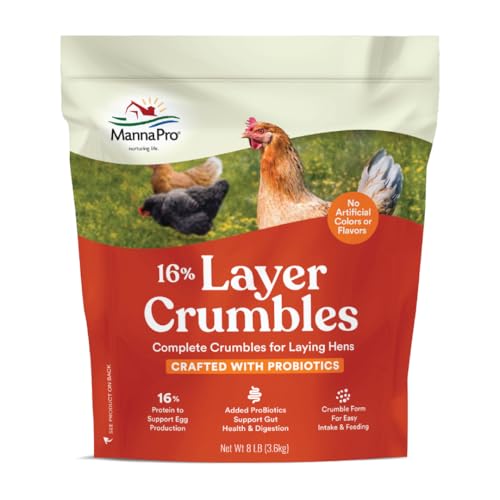
Brand: Manna Pro
Protein: 16% for strong eggshells and steady production. Benefits: Crumbles promote easy digestion and feeding, reducing waste while supporting digestion and nutrient absorption for laying hens.
Manna Pro Layer Pellets
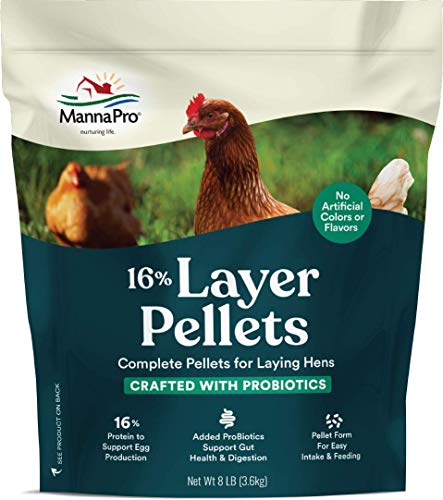
Brand: Manna Pro
Protein: 16% with added omega-3 and calcium for healthy shells. Benefits: Pellets support consistent intake, probiotics aid digestion, and the formula is free from antibiotics and artificial additives.
Scratch and Peck Feeds Layer Mash 40 Lb
Brand: Scratch and Peck Feeds
Protein: 16% in a larger 40 lb bag. Benefits: Whole grain, corn-free and soy-free with organic and Non-GMO Project Verified certifications. Emphasizes premium nourishment without fillers or medications.
Buying Guide: Layer Feed Purchase Considerations
- Protein level: Most laying-hen formulas hover around 16-17% protein. Higher percentages can support peak egg production but may be unnecessary for mature, non-breeding flocks. Match protein to your birds’ life stage and activity level.
- Form and digestibility: Crumbles are easy for smaller birds or beginners to eat, while pellets reduce waste and help prevent selective feeding. Mash forms can be fermentable for calmed digestion and enhanced gut health.
- Corn-free and soy-free options: If you’re avoiding common allergens or GMOs, choose corn-free and soy-free blends. These formulations often rely on alternative grain sources and may include probiotics or kelp for added nutrition.
- Organic and Non-GMO certifications: Certifications indicate adherence to specific farming and processing standards. They can be important for flocks kept on organic premises or for consumers seeking non-GMO assurances.
- Digestive health: Probiotics or prebiotics in the feed can support gut health, leading to steadier nutrient absorption and egg production. Omega-3 enrichment can also support overall hen vitality and egg quality.
- Climate and climate-related needs: In hot climates, feeds with well-balanced energy and mineral content help prevent overheating and support shell strength. In cooler regions, consistent protein and fat levels support growth and production during seasonal changes.
- Feeding management: Dry feeds versus fermented or wet feeds affect palatability and cleanliness. Fermentation can reduce waste and increase nutrient availability, but requires proper preparation and storage.
- Age and flock composition: Laying hens have different requirements than pullets or dual-purpose breeds. Adjust feeding choices based on age, production goals, and flock health monitoring.
When selecting a layer feed, balance nutritional needs with flock management goals. Considering certifications, ingredients, and feeding form will help optimize egg production, shell quality, and overall flock wellness.