Choosing an invisible fence collar system blends boundary accuracy, humane correction, and ease of use. This guide highlights five well-regarded options that work for medium to large dogs and expansive yards. Each option uses GPS or wireless signaling to keep pets within safe limits, with varying correction modes and battery options. Below, you’ll find concise product profiles, a quick comparison, and practical buying tips to help you pick the right collar system for your situation.
| Product | Brand | Boundary Type | Correction Modes | Best For |
|---|---|---|---|---|
| VERSMELO GPS Wireless Dog Fence | VERSMELO | GPS Circular Boundary | Beep, Vibration, Static (up to 6 levels) | Large outdoor spaces |
| Chtoocy GPS Wireless Dog Fence | Chtoocy | GPS Wireless Fence | Beep, Vibration, Static | Yards, farms, open spaces |
| PetSafe Stubborn Dog In-Ground Fence Receiver Collar | PetSafe | In-Ground Fence Receiver | Tone, Vibration, Static (adjustable) | Older dogs; added pets |
| PetSafe Wireless Pet Containment System Receiver Collar | PetSafe | Wireless Fence | 5 correction levels; tone; reentry | Multiple dogs; portable use |
| AEZ Smart Dog Collar | AEZ | GPS Boundary | Beep, Vibration, Static | Flexible outdoor activities |
VERSMELO GPS Wireless Dog Fence

The VERSMELO system uses a U.S.-made GPS chip with an AI-enhanced algorithm to improve anti-interference performance and location accuracy. A safe and gradual correction protocol activates sound, vibration, and up to six levels of static stimulation as your dog nears the boundary. The boundary radius is adjustable from 33 to 1999 yards, covering large outdoor areas such as farms or expansive yards. When the dog returns to the open area, the system resumes normal operation. The setup is designed for outdoor use, and it emphasizes humane training with a protection mode after repeated corrections to prevent overstimulation.
Chtoocy GPS Wireless Dog Fence

The Chtoocy system combines GPS fencing with a training collar, offering real-time distance feedback and correction via beep, vibration, or static. A key feature is the Swiss GPS chip positioned on the strap’s back to improve signal reliability and minimize boundary misreads. Adjustable boundaries range from 25 to 999 yards, making it suitable for suburban yards or larger outdoor spaces. All controls are managed on the transmitter, which helps keep the collar screen-free and protected from wear and tear.
PetSafe Stubborn Dog In-Ground Fence Reciever Collar

This in-ground receiver collar supports adding another dog to an existing PetSafe In-Ground Fence System. It features safe static correction with tone and vibration options that can be tuned to your dog’s temperament. The waterproof design and battery operation offer flexibility, and the adjustable neck collar fits dogs from about 6 months old and 8 pounds upward, with neck sizes adjustable from 6 to 28 inches.
PetSafe Wireless Pet Containment System Receiver Collar
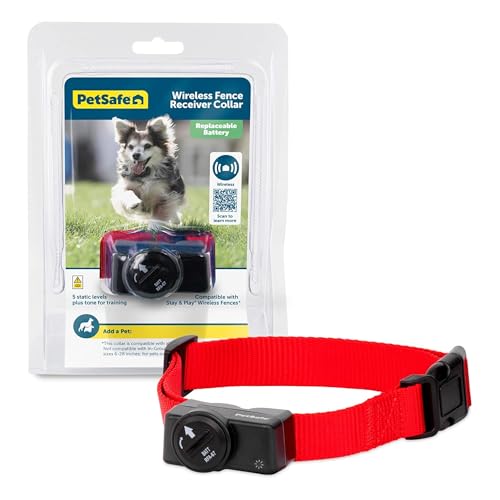
The PetSafe Wireless system provides a flexible, portable fence option for dogs weighing more than 6 pounds. It offers five correction levels plus a tone mode, and a reentry feature to prevent overstimulation. The collar is waterproof and rechargeable, with a neck size range of 6 to 28 inches. It facilitates easy expansion to multiple dogs within a single wireless boundary system, making it a practical choice for households with several pets.
AEZ Smart Dog Collar
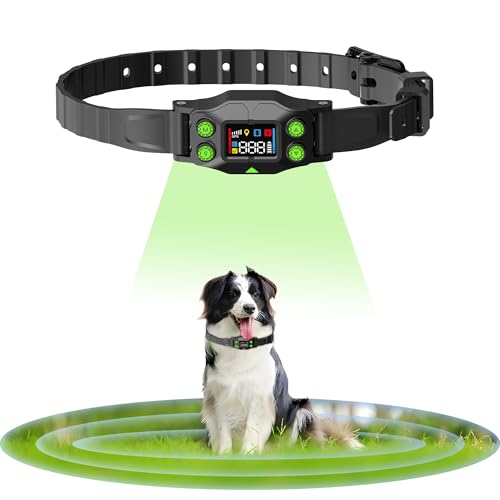
The AEZ Smart Dog Collar combines GPS precision with a boundary radius that ranges from 25 to 999 yards. It emphasizes advanced GPS accuracy to minimize false readings, offering Beep + Vibration or Beep + Vibration + Static modes for boundary training. The system is designed for versatile outdoor use, including yards, parks, farms, or camping trips, and is IPX7 waterproof for water exposure. This setup supports reliable performance in varied environments while giving dogs a clear sense of their limits.
Buying Guide: Key Considerations and Comparisons
- Boundary technology: GPS-based systems excel in large, open spaces and do not require buried wires, while traditional wireless or in-ground options may be easier for smaller yards and tighter layouts. Consider the size of your property and typical outdoor environments when choosing.
- Correction modes: Look for moderate, humane options (tone, vibration, and adjustable static levels). If you have a sensitive or high-energy dog, ensure the collar offers gradual escalation and a protection mode to prevent overstimulation.
- Boundary adjustability: A broader range (e.g., tens to thousands of feet) provides flexibility for parks, farms, or seasonal changes. Ensure the interface allows straightforward boundary adjustments and, if applicable, easy boundary visualization.
- Durability and weather resistance: IP ratings (like IPX7) indicate water resistance. For outdoor use, durability against rain, mud, and temperature shifts is important.
- Battery life and charging: Look for long-lasting batteries and easy recharging cycles, especially for multi-dog households or frequent outdoor use.
- Scalability and multi-dog support: If you have more than one dog, verify compatibility with additional collars and whether the system supports multiple dogs within a single boundary.
- Mobile app and setup: Some systems provide a mobile app for boundary drawing, status monitoring, and training logs. This can enhance ease of use, especially for active families.
- Installation footprint: In-ground systems require wiring in the ground, which is more involved; wireless and GPS solutions offer quicker setup but may need more careful boundary calibration.
- Returns, support, and warranty: Check seller support quality and product warranties to address potential signal or collar issues over time.