Choosing the right horse feed for laminitis-prone horses requires balancing low starch and sugar with supportive nutrients. This article highlights five practical options, each backed by features aimed at metabolic balance, insulin sensitivity, and hoof health. Below is a quick summary of the selected products to help readers compare at a glance.
| Product | Brand | Key Benefit |
|---|---|---|
| Formula 707 MetaStable Pellets | Formula 707 | Veterinary-studied metabolic support |
| Triple Crown Timothy Cubes Balancing | Triple Crown | Low sugar, high fiber forage replacement |
| British Horse Feeds Speedi-Beet | British Horse Feeds | 95% sugar-free, low starch beet pulp |
| MetaboBalance Equine Metabolic Support | Equine Veterinary Essentials | Herbal-based metabolic support |
| Triple Crown Lite Horse Feed | Triple Crown | Low starch and low sugar pellets |
Formula 707 MetaStable Pellets For Horses
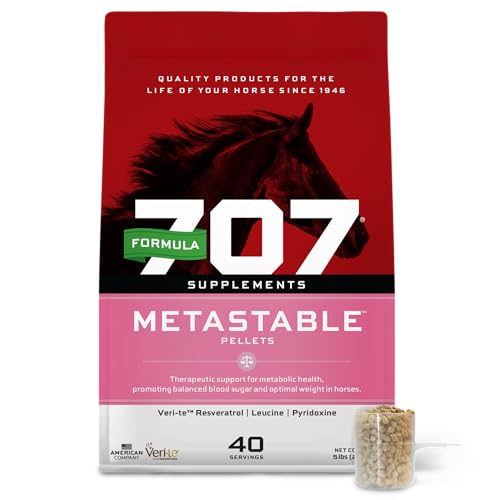
Designed for horses with Equine Metabolic Syndrome, insulin resistance, Cushing’s (PPID), and laminitis, MetaStable Pellets provide targeted nutritional support to support metabolic balance and overall well-being. The formula is veterinary- and university-studied, with evidence suggesting stabilization of insulin levels and progress toward a healthy weight within about 60 days. It also includes leucine for muscle maintenance, pyridoxine (vitamin B6) to aid insulin sensitivity, and Veri-Te resveratrol for gut-friendly antioxidant support. This product emphasizes a holistic approach to metabolic health in laminitic horses.
Triple Crown Timothy Cubes Balancing Horse Supplement

This forage-based supplement combines timothy hay with beet pulp to deliver high fiber and balanced nutrition, making it a solid choice for mature and metabolic horses requiring low-sugar options. Its low starch and sugar profile aligns with laminitis management goals, helping support daily health while offering a premium forage replacement. The formulation aims to provide essential nutrients without triggering glucose spikes, which is helpful for horses susceptible to insulin resistance or those with Cushing’s disease.
British Horse Feeds Speedi-Beet Feed

This quick-soaking beet pulp feed is 95% sugar-free and very low in starch, produced in a process that yields flakes soaking in about 10 minutes. It provides a slow-release energy source and helps with hydration when prepared as a sloppy mash. Its sugar- and starch-conscious formulation makes it a practical option for horses prone to laminitis, those who need to limit sugar intake, and horses that benefit from easy-to-chew, well-hydrated feed. The product is designed to be gentle on digestion while supporting steady energy.
MetaboBalance Equine Metabolic Support Supplement

MetaboBalance is designed to help manage insulin resistance, PPID (Cushing’s), and laminitis across horses of various ages and breeds. The formula targets hormonal and blood sugar imbalances to reduce flare-ups and discomfort and uses natural, vet-recommended ingredients to support long-term metabolic and endocrine health. This option emphasizes a herbal-based approach to metabolic support, suitable for owners seeking non-pharmacological strategies.
Triple Crown Lite Horse Feed

Triple Crown Lite is a low-starch, low-sugar pellet designed to support horses with metabolic issues and laminitis risk. It also notes suitability for miniature horses, offering essential vitamins and minerals in a formula tailored to smaller horses while aiming to maintain stable energy and metabolic balance. This option provides a compact, easily measured feed with a focus on minimizing glucose spikes without compromising daily nutrient intake.
Buying Guide: Key Purchase Considerations For Laminitis Management
- Starch and sugar content: Prioritize feeds labeled low starch and low sugar, especially for horses diagnosed with insulin resistance or laminitis. Beet pulp-based options and forage-based feeds often support steady energy release.
- Fiber quality and intake: High-fiber formulations and forage replacements help promote gut health and satiety, aiding weight management in metabolic horses.
- Glycemic response and insulin support: Some products are designed to stabilize insulin levels or support insulin sensitivity with vitamins (like B6) or amino acids (such as leucine) that support muscle maintenance during weight management.
- Herbal and natural ingredients: For owners seeking non-pharmacologic approaches, herbal-based metabolic supports may offer additional benefits while aligning with veterinary guidance.
- Hydration and palatability: Soakable beet pulp products can improve hydration and ease of chewing, which is helpful for older horses or those with dental issues.
- Age, breed, and workload: Consider whether the horse is a miniature, senior, or active adult, as nutrient requirements and feeding amounts differ by size and energy needs.
- Veterinary guidance: Consult with a veterinarian or equine nutritionist when implementing a laminitis-focused diet, particularly for horses with dynamic conditions like EMS or PPID.
- Practical feeding plan: Combine products to balance energy, fiber, and micronutrient needs. Track body condition and insulin metrics as recommended by a professional.
Multiple Perspectives In The Buying Decision
- Effectiveness: Some products market veterinary studies or university-backed research. Consider the strength of evidence for insulin stabilization and weight management when evaluating options.
- Cost and practicality: Weigh bag size, feeding frequency, and overall cost per day against the horse’s metabolic needs and housing conditions.
- Accessibility: Availability and shipping convenience can influence which products are feasible for ongoing use in the barn.
- Safety: Prioritize feeds with clear ingredient lists, low allergens, and no added sugars or artificial additives that could complicate metabolic balance.