Choosing the right grass hay for horses involves balancing protein, fiber, digestibility, and palatability. The right forage supports steady energy, healthy digestion, and weight management for horses in various activity levels. This guide reviews five grass hay options that commonly appear in equine diets, highlighting their key benefits and what to consider when feeding. Each product below is selected for relevance to typical American horse care routines, with practical notes on digestion, texture, and maintenance needs.
Summary of selected products:
| Product | Brand | Highlights |
|---|---|---|
| Standlee Certified Timothy Grass Compressed Hay Bale | standlee | Moderate protein; senior-friendly; supports hind-gut health |
| Triple Crown Grass Forage | Triple Crown | Timothy and orchard blend; versatile for all horses |
| Standlee Alfalfa & Orchard Grass | standlee | Premium mix; supports digestive health; moderate protein |
| Border Valley Timothy Hay Bale in Bag | Border Valley Trading | High fiber; traditional Timothy profile; suitable for various animals |
| Border Valley Orchard Grass Hay Bale in Bag | Border Valley Trading | Soft, leafy texture; high fiber; gentle on teeth |
Standlee Certified Timothy Grass Compressed Hay Bale
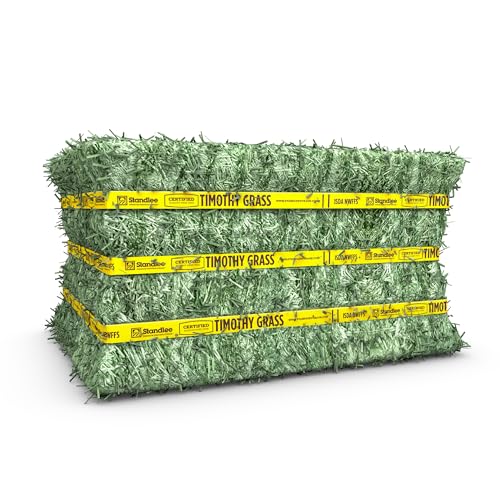
Timothy hay is a staple forage for many horses due to its balanced fiber and moderate protein. The Standlee compressed bale is designed for easy storage and feeding, with benefits that align with maintenance and light to moderate work horses. The product highlights include 8% crude protein, which supports steady energy without excessive sugar, and a senior-friendly profile that contributes to overall vitality. It also emphasizes hind-gut health, a factor linked to improved digestion and nutrient absorption in horses with sensitive digestive systems.
Feeding considerations
Timothy hay like this is generally well-tolerated by most adult horses. Monitor intake to prevent overeating in easy-keepers, especially if the horse has a low activity level. Ensure adequate moisture and avoid feeding moldy hay. This option can be part of a balanced ration that includes a vitamin/mineral supplement as recommended by a veterinarian or equine nutritionist.
Triple Crown Grass Forage

Triple Crown Grass Forage blends Timothy and orchard grass to deliver a versatile nutritional profile. This forage-based mix aims to provide optimal nutrition for a wide range of horses, from growing foals to adult seniors in maintenance. The product is described as a forage, which can be easily mixed with other feeds to enhance daily intake, and serves as horse forage, supported by a soft texture that is easy on the teeth.
Feeding considerations
Blends like this offer variety but require careful dietary planning to keep protein and energy within target ranges for individual horses. For underweight or performance horses, additional concentrates may be needed to meet energy requirements. Regular hay analysis or veterinarian guidance can help ensure the ratio supports the horse’s health and activity level.
Standlee Alfalfa & Orchard Grass for Horses

This premium mix combines alfalfa with orchard grass to offer a nutrient-dense forage with higher calcium relative to timothy-based hays. It provides a robust protein content suitable for growing horses and those in higher work schedules, while still offering digestible fiber. The digestive-support angle emphasizes slow intake and chew-time, which helps stabilize gut function and reduce feeding-related stress in some horses.
Feeding considerations
Alfalfa-rich blends are higher in protein and calcium, which may be unsuitable for some mature, easy-keeper horses or those with certain medical conditions. Use with caution for horses prone to laminitis or obesity. As always, balance with other forage and consult a vet for personalized rationing, especially for senior horses or those in late maturation stages.
Border Valley Timothy Hay Bale in Bag

Border Valley Timothy Hay Bale emphasizes high fiber structure typical of traditional Timothy hay, making it suitable for horses and other livestock requiring steady fiber intake. The bale is described as farm-to-home fresh, which implies freshness and consistent texture. Timothy hay supports digestive health and is generally well-tolerated by most horses, with a moderate protein level that helps maintain energy without excessive sugar.
Feeding considerations
Timothy hay is often recommended for maintenance diets and weight management. For horses with dental issues or sensitive digestion, check hay texture and leaf-to-stem ratio. Store bales properly to prevent moisture and mold, and consider soaking for older horses or those with dental problems if advised by a veterinarian.
Border Valley Orchard Grass Hay Bale in Bag

Orchard grass hay provides a softer texture and leafy composition compared to coarser Timothy, making it a gentler choice for smaller or more sensitive feeders while still delivering a high-fiber profile. This option aims for a balanced fiber intake with a lower feeding impact on dental wear. It can be suitable for horses that prefer softer forage or as a complementary feed to diversify a ration.
Feeding considerations
Orchard grass hay can be an excellent alternative or supplement to Timothy, especially for horses with texture preferences. Monitor for any changes in digestion, and consider combining with other forages to maintain variety and meet daily fiber needs without overloading protein or calories.
Buying Guide: Key Purchase Considerations
- Horse needs and activity level: Match forage type and protein content to the horse’s workload and life stage (maintenance, growth, senior, or performance).
- Palatability and texture: Some horses prefer softer leaves (orchard, alfalfa blends) while others do well on coarser Timothy grasses. Observe eating behavior to minimize waste.
- Fiber and carbohydrate balance: High-fiber hay supports digestion and satiety; avoid options with excessive sugar for insulin-sensitive horses.
- Digestive health features: For horses with hind-gut sensitivities, prioritize hay with appropriate fiber length and digestibility profiles.
- Texture and bite size: Compressed bales and cubes can aid storage and portion control, while ensuring hay is free from mold and dust.
- Freshness and storage: Look for farm-to-home freshness indicators and store hay in a dry, ventilated area to prevent mold and humidity damage.
- Dietary variety: Mixing Timothy, orchard, and alfalfa blends can diversify nutrients but should be planned to avoid sudden dietary changes to prevent digestive upset.
- Dental considerations: For older horses or those with dental issues, soft-textured or shredded forms can ease chewing and reduce risk of choking.
- Vet guidance: Use a nutritionist or veterinarian to tailor forage choices to any health conditions, weight management goals, or metabolic concerns.
Note: This article presents general guidance based on the provided product information. Always verify current product details and consult a qualified professional before making dietary changes for your horse.