When your dog’s skin is compromised, quick and effective wound care is essential. The products below cover a range of needs—from soothing gels and antiseptic sprays to protective liquid bandages—helping manage pain, prevent infection, and promote natural healing. This guide highlights five well-regarded options, based on active ingredients, safety for various life stages, and versatility for common canine injuries such as cuts, scrapes, hot spots, and minor wounds.
| Product | Brand | Key Benefit | Format |
|---|---|---|---|
| Sulfodene Dog Wound Care 3-Way Ointment | Sulfodene | Pain relief, infection prevention, barrier against germs | 2 oz ointment |
| HICC PET Dog Wound Care Hydro Gel | HICC PET | Promotes healing, anti-inflammatory HOCl gel, protective barrier | 3.4 oz gel |
| Vetericyn Plus Dog Wound Care Spray | Vetericyn | Flushing wounds, safe for all animals, non-toxic HOCl | 16 oz spray |
| Chew + Heal Labs Liquid Bandage for Dogs | Chew + Heal Labs | Breathable, protective bandage over wounds | 4 oz spray |
| Veterinary Formula Clinical Care Antiseptic & Antifungal Spray | Veterinary Formula | Soothes skin, supports healthy coat between washes | 8 oz spray |
Note: This overview focuses on products commonly used for canine first-aid. Always follow label directions and consult a veterinarian for severe wounds, infections, or if your dog shows signs of an allergic reaction or systemic illness.
Sulfodene Dog Wound Care 3-Way Ointment
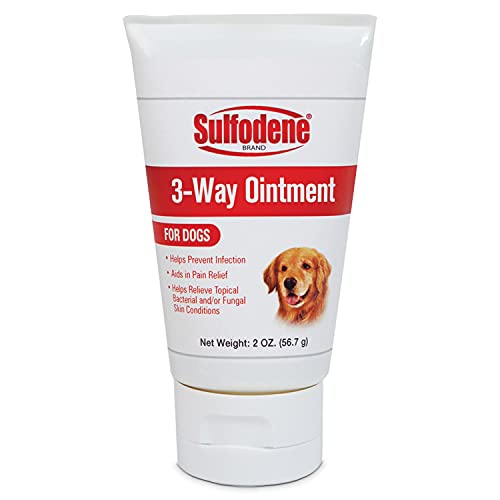
The Sulfodene ointment is designed to relieve pain and prevent infection in minor dog wounds, scrapes, bites, and injuries. Its 3-way approach focuses on pain relief, barrier protection, and antibacterial/antifungal action. The ointment helps form a protective layer that reduces exposure to flies and environmental germs while supporting surface healing. This format is suitable for topical application on open wounds or irritated skin after initial cleaning, making it a practical staple for basic pet first aid kits.
Key features include a barrier that blocks pathogens at the wound site, helping to minimize contamination between cleanings. The formulation is positioned as an affordable option for routine wound care, with emphasis on supporting quick, manageable healing for small to moderate injuries. For best results, apply to clean, dry skin and follow with appropriate wound cover if needed. Avoid using on deep puncture wounds or in cases of serious infection without veterinary input.
HICC PET Dog Wound Care Hydro Gel

HICC PET’s hydro gel offers targeted wound care with a focus on soothing inflammation and promoting healing for open wounds, bites, bites, and hot spots. The formulation emphasizes HOCl (hypochlorous acid) as a natural defense to reduce harmful organisms, providing a protective film that forms a barrier over the skin. This barrier can help isolate infection sources and limit moisture loss, supporting skin hydration while keeping the wound environment clean. The gel’s anti-inflammatory action helps alleviate itching and discomfort, which can reduce the dog’s tendency to lick or scratch the affected area.
Clinical-style claims emphasize strong antimicrobial activity and a barrier-based approach that reduces recurrent contamination. This makes it a solid option for both acute injuries and ongoing management of irritated skin, particularly when a more controlled site protection is preferred. As with all topical products, avoid contact with the eyes, and discontinue use if redness, swelling, or new symptoms occur. Check with a veterinarian if symptoms persist beyond a few days or worsen.
Vetericyn Plus Dog Wound Care Spray

Vetericyn Plus provides a healing aid and skin repair mechanism through a non-toxic hypochlorous technology that is pH-balanced and safe if licked. The spray format is convenient for flushing minor cuts, abrasions, and skin irritations, making it suitable for daily tweaks in a home-first-aid routine. It is described as pet-first aid essential, with applicability to all life stages and all animals, which supports versatility for multi-pet households. The product’s emphasis on safety and non-toxicity makes it a dependable option for owners seeking a gentle wound-care solution.
Users should apply to clean, dry skin, avoiding deep wounds that may require professional assessment. While the spray is convenient for frequent use, clean wound management typically includes gentle cleansing before application. If symptoms persist, worsen, or if there is visible pus, fever, or lethargy, consult a veterinarian promptly to rule out infection or systemic issues. The product’s broad safety profile makes it a common recommendation for routine dermatological care in dogs and other animals.
Vetericyn Plus Dog Wound Care Spray (Small Size)

This smaller bottle variant of the Vetericyn Plus line provides the same healing aid and skin repair benefits in a compact size. It is appropriate for quick touch-ups, travel kits, or owners who want a portable wound-care option for minor injuries. Like the larger version, it relies on safe hypochlorous technology to cleanse and protect wounds while supporting skin recovery. The spray format supports easy and sanitary application, especially for anxious dogs or wounds on difficult-to-reach areas.
As with all topical care products, ensure the wound is properly cleaned before application, and avoid overuse on closed, infected, or deeply penetrating injuries. If there is any sign of systemic illness or an allergic reaction, stop use and obtain veterinary guidance. This product’s safety profile makes it a frequently chosen option for routine wound management in households with multiple pets or on-the-go pet care needs.
Chew + Heal Labs Liquid Bandage For Dogs
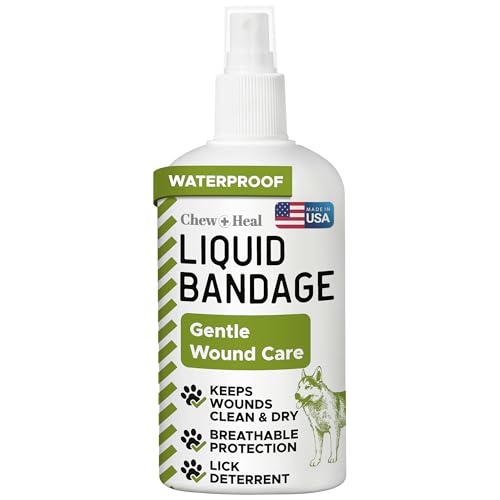
Chew + Heal Labs Liquid Bandage provides a breathable barrier for dog wounds with an aloe-infused formula. The spray design enables quick application, helping reduce the stress of bandaging on restless pets. It’s positioned as a versatile product for cuts, scrapes, stitches, and paw injuries, offering a convenient alternative to traditional wraps. The liquid bandage forms a protective layer that stays in place as the dog moves, helping maintain a clean wound environment between bandage changes or vet visits.
Owners should follow up with cleaning and, if necessary, secondary measures such as antiseptic sprays or gels for larger or deeper wounds. While the product is designed to be safe if licked, supervising pets after application remains prudent. The breathable formulation supports moisture balance and reduces film shedding that can occur with some other sealants, contributing to a smoother healing process for minor injuries.
Veterinary Formula Clinical Care Antiseptic & Antifungal Spray

This antiseptic and antifungal spray targets a range of skin concerns that may accompany wounds, including redness, flaking, and greasy or smelly skin. The formula emphasizes supporting healthy skin between baths and treatment sessions, making it a practical adjunct for ongoing dermatologic care. It is suitable for use across species, which is beneficial in households with multiple pets, though it should be used as directed to avoid over-drying or irritation in sensitive patches.
When selecting a topical care product, consider the wound type and severity, potential sensitivities, and how often you expect to apply the product. For larger wounds, deep punctures, or signs of systemic illness, professional veterinary care is essential. Test any product on a small skin area first to check for a reaction, and follow the manufacturer’s instructions regarding frequency of application and duration of use.
Buying Guide: Key Purchase Considerations
- Wound type and severity: For open wounds or deep injuries, cleansing followed by an antiseptic or protective barrier is recommended, sometimes under veterinary guidance.
- Active ingredients: HOCl-based products offer antimicrobial action with a focus on safety; gels and sprays provide different application formats and coverages.
- Application method: Sprays are convenient for restless dogs; gels and liquids can offer extended contact and barrier formation; bandages or wraps may be needed for certain wounds.
- Safety and licks: Most dogs lick wounds; choose products labeled safe if ingested, but still monitor usage to minimize excess licking.
- Allergy and sensitivity: Start with a patch test on a small skin area if unsure about sensitivities, especially with aloe or essential oils.
- Multi-pet households: Broad-spectrum products with general safety profiles are useful when managing wounds across several dogs or other pets.
- Professional guidance: For severe bleeding, deep punctures, infections, or persistent symptoms beyond a few days, seek veterinary care promptly.
- Storage and shelf life: Store away from heat and direct sunlight; check expiration dates to ensure product efficacy when needed.
- Cost and accessibility: Consider how often you’ll use the product, the size that fits your pack, and availability for quick restocks.