Finding the right weight management dog food for dachshunds requires options that support lean muscles, healthy calories, and small-breed kibble formats. The following selections emphasize weight control without sacrificing flavor or essential nutrients. Each option is designed to help small dogs maintain a healthy weight while supporting joint health, energy, and overall vitality. Below is a quick overview table of the chosen products to compare key details at a glance.
| Product | Brand | Format | Key Benefit |
|---|---|---|---|
| Hill’s Science Diet Perfect Weight Small & Mini Breeds | Hill’s Science Diet | Dry, 4 lb | Lean muscle support and safe weight loss |
| Hill’s Science Diet Perfect Weight Small & Mini 12.5 lb | Hill’s Science Diet | Dry, 12.5 lb | Long-lasting weight management for small dogs |
| Purina Pro Plan Small Breed Weight Management | Purina Pro Plan | Dry, 6 lb | High protein with real chicken and digestive-friendly fiber |
| Eukanuba Fit Body Weight Control Small Breed | Eukanuba | Dry, 4 lb | Lean, active body with L-carnitine and reduced fat |
| Blue Buffalo Life Protection Formula Small Breed | Blue Buffalo | Dry, 15 lb | Real chicken, wholesome ingredients with weight management focus |
Across these products, small-dog formulas emphasize smaller kibble, balanced calories, and quality protein. When selecting a weight management diet for a dachshund, consider activity level, age, and any medical guidance from a veterinarian. The following product sections present concise, objective information to help compare options side by side.
Hill’s Science Diet Perfect Weight — Small & Mini, Dry Food

This dry dog food targets weight management with a focus on lean muscle and safe loss. It is designed for adult small and mini breeds and uses a chicken recipe to supply high-quality protein. The formula emphasizes visible results within ten weeks and supports consistent weight maintenance over the long term. The kibble is sized for small mouths, aiding portion control and digestion. This option suits dachshunds needing steady weight management without compromising energy levels.
Hill’s Science Diet Perfect Weight — 12.5-Lb Small Breed

This larger bag maintains the same weight management goals as the smaller version, offering a durable supply for households with multiple small dogs or for households that prefer longer supply. The formula emphasizes lean muscle support and long-lasting weight maintenance while keeping calories appropriate for small-dog metabolisms. The chicken recipe provides familiar flavor that supports consistent feeding patterns, helping dachshunds stay on track with their weight goals over time.
Purina Pro Plan Small Breed Weight Management

Purina Pro Plan combines high-protein content with a real chicken first ingredient and a tactful blend of minerals to support bone health. The formula uses a crunchy kibble with shredded pieces to enhance texture and taste, appealing to picky feeders. Notably, it contains about 15 percent less fat than a comparable Pro Plan small-breed recipe, which can help with controlled weight loss while preserving lean muscle. Added prebiotic fiber supports digestive health, a consideration for dachshunds with sensitive stomachs.
Hill’s Science Diet Perfect Weight — Small Kibble (4 lb)

This 4-pound variant emphasizes small-breed weight management with the same lean-muscle-supporting nutrition. The small kibble size makes portion control easier for dachshunds while delivering a complete and balanced diet. Regular feeding aligned with a veterinarian-recommended plan can help achieve visible weight loss and maintain healthy body condition over time. The recipe again highlights chicken as a primary protein source, supporting muscle maintenance during weight loss.
Eukanuba Fit Body Weight Control Small Breed
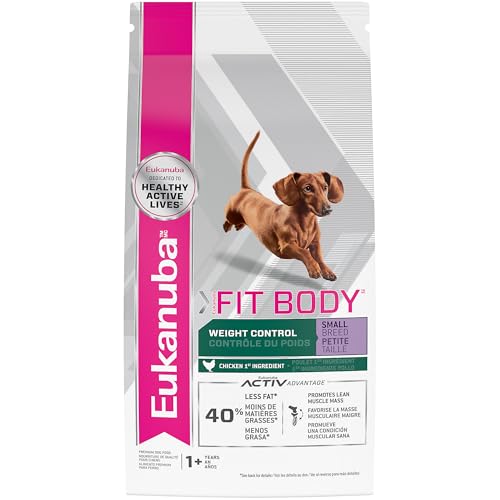
Eukanuba’s small-breed formula emphasizes weight control with an emphasis on lean muscle mass. The diet features L-carnitine and a reduced fat content relative to some other small-breed lines. This combination supports an active lifestyle and helps dachshunds maintain vitality as they shed excess weight. The diet also includes a blend of carbohydrates designed to support steady energy without spiking weight gain, and it aims to preserve cognitive function with DHA and vitamin E.
Hill’s Science Diet Perfect Weight — Wet Food (Salmon & Vegetables Stew)

This wet option complements dry diets for dachshunds needing weight management with higher moisture content. The salmon and vegetables stew variety provides essential fatty acids and protein in a palatable format that can be used as a topper or sole meal. Wet food can improve appetite in dogs who tire of dry kibble while still supporting weight goals when portioned correctly. Like the dry options, it emphasizes safe weight loss and long-term maintenance with lean muscle support.
Buying Guide: Key Considerations For Dachshund Weight Management
- Protein quality and portion control: Look for named animal proteins as the first ingredient and formulas designed for small or mini breeds to match a dachshund’s metabolism.
- Kibble size and texture: Smaller kibble improves intake and digestion for dachshunds; some options pair dry with wet food to diversify texture and help appetite.
- Calorie density: Compare calories per cup or per kilogram to tailor portions to your dog’s weight loss goals, activity level, and age.
- Fat and carbohydrate balance: Moderate fat and carefully chosen carbs support energy without promoting weight gain, while fiber can aid digestion and fullness.
- Digestive health: Prebiotic fibers and/or probiotic ingredients help maintain gut health, especially for sensitive stomachs common in some small breeds.
- Palatability and variety: Rotating between flavors or formats (dry vs. wet) can improve long-term adherence to a weight management plan.
- Veterinary guidance: Dachshunds have unique spinal and joint considerations; consult a veterinarian to set a personalized weight goal and feeding plan.
- Long-term sustainability: Choose a plan that you can maintain, balancing cost, availability, and your dog’s preferences to support lasting weight management.
- Allergen considerations: If your dachshund has food sensitivities, check for common triggers and consider limited-ingredient options if advised by your vet.
- Transition strategy: When switching diets, gradually mix the new food with the current diet over 7–14 days to avoid digestive upset.
These selections provide a spectrum of weight-management options including dry and wet formats, real-chicken protein, and small-breed friendly kibbles. In choosing the best fit, consider your dachshund’s chewing habits, daily activity, and any veterinary recommendations to ensure a balanced, healthy progression toward weight goals.