Choosing the right thermostat for reptile terrariums is essential for maintaining stable temperatures and humidity. This guide analyzes five top-rated digital reptile thermostats, highlighting features, pros, and use cases. Whether you’re incubating eggs, heating a basking spot, or controlling multiple tanks, the right controller helps protect your pets and support healthy growth.
Summary table of selected products:
| Product | Brand | Key Use | Temperature Range | Power Handling |
|---|---|---|---|---|
| BN-LINK Reptile Thermostat | BN-LINK | General heating mats and lamps | 40–108°F | 1000W |
| REPTIZOO Dimming Thermostat | REPTI ZOO | Heat lamps and bulbs | 41–140°F (5–60°C) | Standard outlets |
| VIVOSUN Digital Heat Mat Thermostat | VIVOSUN | Reptiles, seedlings, incubation | 40–108°F | 1000W |
| Inkbird IPT-2CH | Inkbird | Dual outlets, two tanks | Display in °F/°C | Max 250W per outlet |
| ReptiKing Reptile Dimming Thermostat | ReptiKing | Heat lamps and emitters | Customizable dimming | Standard outlets |
BN-LINK Reptile Thermostat Temperature Controller

The BN-LINK thermostat is designed for heating devices such as reptile heating pads and heat lamps. It offers effortless setup with three buttons to switch between Fahrenheit and Celsius. A sensor probe and rugged construction provide reliable temperature monitoring, while a 3.94 ft power cord and a 4.92 ft probe accommodate diverse enclosure layouts. Ideal for hobbyists and small-scale setups seeking straightforward control without complex features.
REPTIZOO Dimming Thermostat
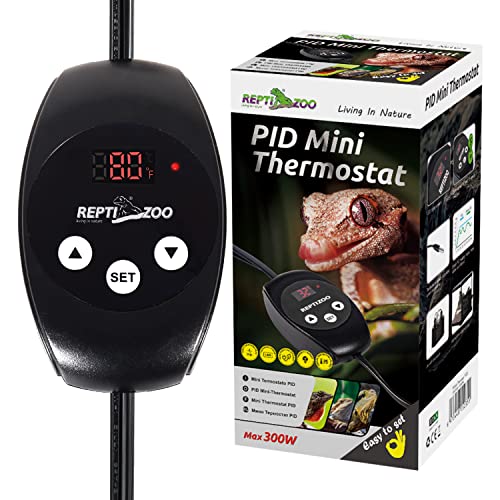
This dimming thermostat uses a PID-style control to maintain stable temperatures for heat lamps and bulbs. It supports a wide range and includes a user-friendly LED display. The device is easy to operate with a temperature probe and suction cup for placement. It’s particularly suitable for reptile setups that require tighter regulation and longer bulb life, while cautioning against sunlamp use in certain configurations.
VIVOSUN Digital Heat Mat Thermostat Controller

VIVOSUN’s thermostat is designed for robust performance across reptile tanks, seedling mats, and incubation. It provides a clear temperature display within a 40–108°F range and includes a sensor probe to monitor root temperatures or substrate heat. The device emphasizes ease of use, with three buttons for quick setup and Celsius/Fahrenheit switching, making it suitable for both novice and experienced hobbyists.
Inkbird WiFi Heat Mat Reptile Thermostat
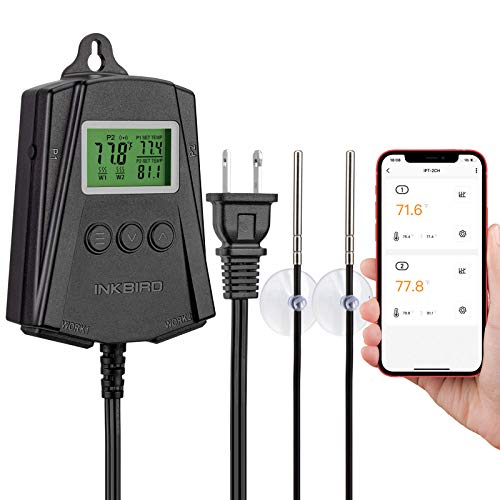
Inkbird IPT-2CH offers WiFi connectivity and remote monitoring via the Inkbird app. It supports two outlets with independent probes, enabling control across multiple terrariums. Data charts, alarms for high/low temperatures, and probe error alerts help maintain precise conditions. This is ideal for setups with multiple tanks or zones requiring distinct temperature profiles and remote oversight.
ReptiKing Reptile Dimming Thermostat

The ReptiKing dimming thermostat offers a PID-like approach to maintain a steady temperature, reducing fluctuations common with ON/OFF controllers. It supports dimming for heat lamps and ceramic emitters, with a simple setup that includes a suction-mounted probe and a digital readout. It’s designed to boost energy efficiency and extend bulb life while keeping the terrarium within the target range.
Buying Guide: Key Considerations For Reptile Thermostats
- Control Type: Dimming/PID vs. traditional on/off. Dimming and PID models tend to provide steadier temperatures, reducing stress on reptiles and equipment.
- Temperature Range: Match the device range to your enclosure needs, including basking spots and ambient tank conditions. Some units list Fahrenheit ranges; others provide Celsius as well.
- Outlets And Probes: Consider how many outlets you need and whether each outlet supports a separate probe for multi-tank setups. Probe length and placement affect accuracy.
- Sensor Placement: Probes should be placed where the animal lives or where the heat source affects the environment. Avoid placing probes in direct contact with heating elements.
- Connectivity: WiFi-enabled models offer remote monitoring and data logging, but require reliable network access. Standalone models are simpler and often more robust in offline setups.
- Safety And Certifications: Look for UL/ETL listings and built-in alarms for high/low temps. Durable housings help in humid terrariums.
- Installation And Wiring: Ensure compatibility with your heater type ( mats, lamps, emitters) and verify that wattage ratings align with enclosure power needs.
- Multi-Zone Capabilities: For enthusiasts with several tanks, choose controllers that support multiple outlets or dual probes to manage separate zones efficiently.
- Maintenance And Longevity: Replacing probes or power cords can be necessary; check warranty terms and expected service life for ongoing reliability.
- Price-to-Value: A higher upfront cost may translate to longer-term energy savings and better stability, especially for sensitive reptiles.
Across these options, the best choice depends on your setup scale, whether you prioritize ease of use, or require advanced features like remote monitoring and multi-zone control. Each listed model offers dependable temperature management with varying degrees of automation and connectivity to support responsible reptile care.