Horses diagnosed with Cushing’s disease (PPID) require careful management to support hormonal balance, energy, and overall wellness. This article highlights five well-regarded horse supplements designed to assist PPID-affected horses, focusing on pituitary health, metabolic support, and hair/weight balance. Each product is evaluated for mechanisms, safety, and typical use cases to help horse owners make informed choices.
| Product | Brand | Focus |
|---|---|---|
| HA4E – Horse Digestive Support for Cushing’s Disease | HealthyAnimals4Ever | Hormonal support and digestive health |
| HA4E – Extra Large Tablets | HealthyAnimals4Ever | Hormonal support in barn-size form |
| Silver Lining Herbs Pituitary Gland Supplements | Silver Lining Herbs | Pituitary health and hormonal balance |
| MetaboBalance Equine Metabolic Support | Equine Veterinary Essentials | Metabolic health, insulin and cortisol balance |
| SU-PER Chasteberry for Horses | SU-PER | Hormone regulation and pituitary support |
HA4E – Horse Digestive Support for Cushing’s Disease

HA4E provides natural support aimed at equine Cushing’s symptoms, focusing on hormone balance and overall wellness. The formula targets signs commonly associated with PPID, such as muscle wasting and irregular hair growth, and also supports general vitality. By promoting a healthy appetite and muscle tone, it may help horses maintain a stable weight and energy levels through seasonal changes. This product is designed for preventive care as part of a broader management plan for PPID-affected horses.
HA4E – Extra Large Tablets for Cushing’s Support
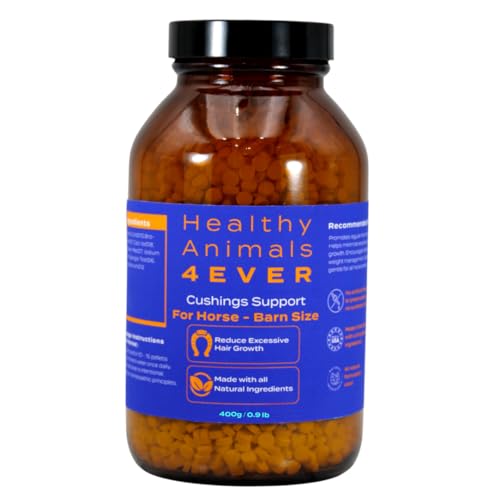
This barn-size variant of HA4E is meant to accommodate larger horses or groups, maintaining the same natural, homeopathic approach to supporting Cushing’s-related balance. It emphasizes hormone regulation, hair coat management, and energy maintenance. Owners should monitor response and adjust dosing accordingly, integrating with a veterinarian’s PPID management plan.
Silver Lining Herbs Pituitary Gland Support

This herbal blend focuses on maintaining pituitary health and hormonal balance, which are central to managing PPID. The formula aims to support energy levels, shedding cycles, and metabolism natural to horses, with an emphasis on endocrine harmony. Usage may complement other metabolic management practices and should be aligned with veterinary guidance for PPID.
MetaboBalance Equine Metabolic Support

MetaboBalance is positioned for broader metabolic health in horses and targets insulin resistance, PPID (Cushing’s), and laminitis risk. The formula emphasizes maintaining stable blood sugar and cortisol levels, supporting long-term metabolic and endocrine health with natural ingredients. It is suitable for horses of various ages and activity levels, especially those showing signs of metabolic stress linked to PPID.
SU-PER Chasteberry for Horses

SU-PER Chasteberry supports normal hormonal systems and pituitary gland function in mares, with additional navigation of metabolic function, kidney health, and glucose metabolism. It is designed to act as an adaptogen, helping horses respond to stressors and maintain hormonal balance. This product may be used as part of a comprehensive PPID management plan to reduce stress-related hormonal fluctuations.
Buying Guide: Key Purchase Considerations
- PPID-specific goals: Look for formulas that emphasize pituitary health, hormonal balance, and metabolic support rather than generic supplements only.
- Active ingredients and form: Homeopathic, herbal, or targeted ingredients like chasteberry, lignans, melatonin, phosphatidylserine, and amino acids—consider what aligns with your vet’s guidance and your horse’s needs.
- Horse-specific dosing and size: Barn-size tablets or powders may be more economical for larger horses; verify feeding directions for your horse’s weight and activity level.
- Safety and interactions: Confirm the product is appropriate for your horse’s concurrent therapies (insulin regulation, laminitis management, thyroid or adrenal considerations) and consult your veterinarian.
- Quality and sourcing: Choose products from reputable brands with transparent ingredients, third-party testing, and clear usage guidelines.
- Monitoring and adjustments: Track weight, energy, coat changes, and gait quality to evaluate effectiveness, and adjust dosing under veterinary supervision.
- Comprehensive management: Supplements support but do not replace veterinary care, diet adjustments, exercise, and regular diagnostic monitoring for PPID.
- Multiple perspectives: If one product does not suit, consider alternatives that address pituitary health, insulin dynamics, and weight management to find the best match for your horse.