Choosing the right sand mix is essential for creating a safe, engaging, and observable ant habitat. The products below emphasize clean, natural sand blends and sensible substrates that support tunnel building, humidity balance, and easy maintenance. Whether you are a classroom teacher, a curious parent, or an ant-keeping hobbyist, these selections provide reliable sand-based options that align with common ant-care guidelines.
| Product | Brand | Key Benefit |
|---|---|---|
| Premium Ant Farm and Terrarium Soil Mixture (Sand, Topsoil, Peat) 1 Pound Bag | Digger Derek, Ant Farm Supplies LLC | Clean, pest-free base with peat for moisture and structure |
| Tigerific Ant Farm for Live Ants – Real Sand Ant Colony Kit | Tigerific | Real sand environment with educational booklet |
| Dan&Darci Ant Farm Kit for Kids – Farms Colony | Dan&Darci | Sand habitat with learning guide and ants voucher |
| ELNMLHT Ant Farm Castle, Sand Ant Colony Observation Kit | ELNMLHT | Double-sided acrylic view with sand-based tunnels |
| AntHouse – Natural Sand Ant Farm | Acrylic T Big Kit | AntHouse | Natural sand in a robust acrylic, easy loading and viewing |
Across these options, the common thread is natural, safe sand that supports visible tunnel networks while remaining easy to clean and replace as needed. The selection below digs into five standout products, highlighting how each can fit different learning goals, space constraints, and observation preferences.
Premium Ant Farm And Terrarium Soil Mixture

The Premium Ant Farm and Terrarium Soil Mixture blends clean sifted natural sand with pest-free topsoil and high-quality sphagnum peat moss. This combination supports stable humidity, favorable drainage, and a workable digging substrate for ants. The peat adds moisture retention, while the topsoil provides structure for tunnel development. Suitable for educational setups and hobbyist displays, this 1-pound bag offers a ready-to-use base that can be combined with a separate ant colony voucher or live ants where appropriate.
Tigerific Ant Farm for Live Ants

This kit uses real sand to create a neutral indoor environment for ants, making it ideal for clear observation of tunnel networks. The included colorful learning booklet expands science education by explaining ant roles, behavior, and ecological significance. A transparent colony design supports multiple viewing angles, and the AntWay Connector Tube enhances access to different areas of the habitat. For classrooms or home use, it offers a hands-on science experience that emphasizes excavation, food transport, and colony dynamics.
Dan&Darci Ant Farm Kit for Kids

The Dan&Darci kit focuses on the interactive exploration of an ant colony, introducing children and adults to tunnel construction, teamwork, and ecosystem roles. It includes a sand habitat setup with an ant-accepting voucher, a comprehensive learning guide on ant life cycles, and practical tips for setup and maintenance. Live ants are not included, so it functions well as a classroom- or family-based science project where learners can study behavior, feeding, and tunnel engineering over time.
ELNMLHT Ant Farm Castle

The ELNMLHT Ant Farm Castle emphasizes a double-sided acrylic viewing area with multiple compartments for different colony activities. The kit includes areas for loading ants, egg-laying, and excavation dumps, along with an automatic method to maintain moisture. This design helps sustain colony health by supporting stable humidity and accessible feeding zones. It’s a strong pick for longer observation sessions and structured lessons, as the design reduces leakage and makes hydration management straightforward.
AntHouse Natural Sand Ant Farm
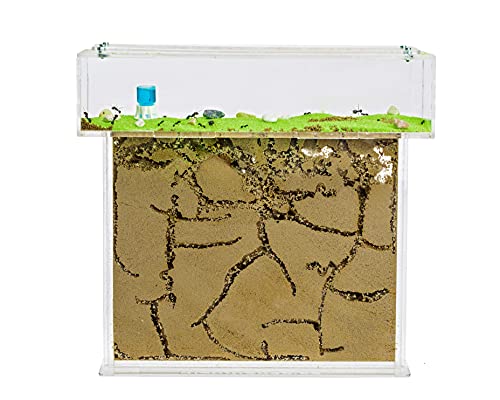
The AntHouse kit features a natural sand substrate arranged in a T-shaped acrylic habitat. The model-based design promotes easy loading, effective observation, and modular expansion through connectors. This setup is well-suited for learners who want to see how ants navigate a structured, persistent colony landscape. While ants aren’t included, the kit pairs well with a future purchase of live ants and allows a straightforward assembly process for beginners.
ELNMLHT Ant Farm Castle With Yellow Sand

This ELNMLHT variation features a double-sided acrylic farm with a yellow sand component and an integrated water system. The design emphasizes a continuous moisture cycle, with a refill mechanism every 10 days and a self-locking device to minimize escapes. It provides flexibility for ongoing care, observing how ants respond to a consistent hydration rhythm, and supports longer-term growth of tunnel networks and colony activity in a visually engaging habitat.
Anthouse.ES Natural Sand Ant Farm

The Anthouse ES model combines an acrylic sandwich with a foraging box, connected by a tube. It focuses on natural sand and a straightforward assembly process to help beginners witness how ants navigate, store food, and manage waste. The kit’s safety and durability are complemented by clear visibility, enabling steady observation of tunnel progression and colony dynamics from day one.
Buying Guide: Sand For Ant Farms
Key purchase considerations involve substrate composition, visibility, moisture management, and expansion potential. Here are multiple perspectives to help you compare options:
- Substrate quality: Prefer clean, sifted sand with minimal dust. Some kits blend sand with peat or topsoil to improve moisture retention and tunnel stability.
- Hydration and humidity: Look for products that offer moisture-control features or moisture-friendly substrates. Humidity supports tunnel integrity and ant health.
- Visibility: Clear acrylic habitats and double-sided viewing panels provide better observation opportunities, especially for classrooms and kids’ projects.
- Expandability: Consider modular designs that allow you to connect multiple habitats or add foraging boxes and tubes to extend exploration.
- Educational value: Some kits include learning guides or fact sheets that deepen understanding of ant biology, colony roles, and ecological impact.
- Safety and handling: Natural, non-toxic sand blends are preferable. Avoid substrates with chemical additives that could affect ants or learning outcomes.
- Ant inclusion: Some listings include live ants or vouchers; others require you to source ants separately. Decide based on your readiness to manage a live colony.
- Maintenance: Ensure maintenance needs match your schedule, including feeding, humidity checks, and pennable sand replacement to prevent mold or compaction.
- Educational setting fit: For classrooms, kits with robust learning guides and durable designs tend to perform better under repeated use and student rotation.
These considerations help balance immediate viewing pleasure with long-term colony health and educational value. When selecting a sand-based ant habitat, align the product’s substrate composition with your goals—be it quick setup, detailed observation, or extended classroom use.