For American deer enthusiasts, protein pellets offer a focused way to support growth, antler development, and overall herd health. This guide highlights five top options that emphasize high-protein nutrition, palatability, and practical use in feeders or ground feeding. Each choice comes with distinctive attractants or flavor profiles to match seasonal needs and regional preferences. Read on to compare ingredients, benefits, and practical considerations for selecting the right pellet-style supplement for your deer population.
Summary of chosen products:
| Product | Brand | Protein Focus | Feeding Style | Notes |
|---|---|---|---|---|
| Pure Whitetail King Crunch | Pure Whitetail | Includes whole peanuts, soy nuts, seeds | Ground or feeder | Wildlife-friendly mix; real foods over pellets |
| Ernst Grain & Livestock Deer Feed | Ernst Grain & Livestock | High-protein soybeans and grains | Bagged feed | All-life-stage suitable |
| Herron Outdoors 4-4-2 Persimmon Pellets | H Herron Outdoors | 40% protein, 40% corn, 20% persimmon | Pellets | Distinctive persimmon flavor |
| Wildgame Innovations Acorn Rage | Wildgame Innovations | Real acorns flavor with high fat | Pellets | Strong aroma and nutrition |
| Herron Outdoors 4-4-2 Sweet Apple Pellets | H Herron Outdoors | 40% protein, 40% corn, 20% sweet apple | Pellets | Apple-flavored attractant |
Pure Whitetail King Crunch Healthy Deer Feed

The Pure Whitetail King Crunch is designed as a wildlife-friendly feed that goes beyond typical protein pellets. It blends whole peanuts, roasted soy nuts, black sunflower seeds, and corn to create a nutrient-dense mix aimed at deer, plus incidental wildlife like squirrels and turkeys. This option emphasizes real foods over highly processed pellets, which can appeal to feeders seeking a more natural diet for deer that still supports energy needs. It’s particularly versatile for ground feeding or direct spread in a feeder area, allowing for flexible use around stands and trails.
Key considerations: The mix leans toward whole ingredients that deer recognize and crave, potentially improving intake in competitive feeding zones. While not a traditional protein pellet, its diverse nutrition profile can complement a protein-focused plan. In areas where deer populations respond to mixed forage, King Crunch can attract broader wildlife density while supporting herd health with protein and fats.
Ernst Grain & Livestock’s Deer Feed, High Protein Formula
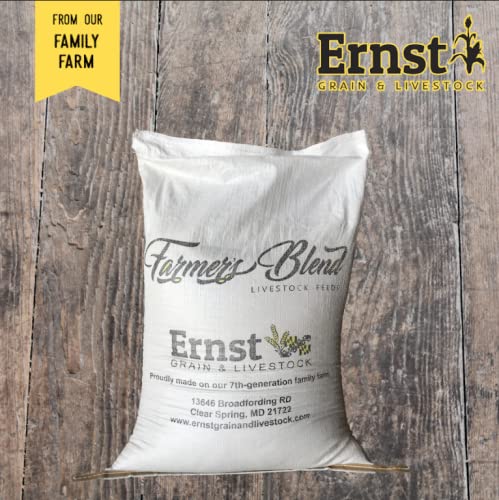
Ernst Grain & Livestock offers a high-protein deer feed featuring corn, soybeans, wheat, barley, minerals, and vitamins. This formulation targets deer at all life stages and emphasizes soybeans as a primary protein source, supporting growth for bucks, does, and fawns. Bagged and farm-sourced, it reflects traditional livestock nutrition practices extended to wild deer populations. The product is positioned as a reliable protein-focused option within a broader feed lineup, suitable for consistent feeding programs across seasons.
Key considerations: This option prioritizes dairy- and livestock-grade ingredients adapted for deer nutrition. While it provides robust protein content, users should monitor intake to prevent overfeeding and to align with local wildlife regulations and habitat conditions. It’s a straightforward feed approach for those seeking predictable protein delivery with demographic-wide benefits.
Herron Outdoors 4-4-2 Persimmon Flavored Pellets

This Herron Outdoors option blends 4-4-2 deer feed with persimmon flavor and pelleted form. The Persimmon ingredient group is designed to attract deer by combining a sweet, fruit-forward aroma with a protein-rich base. The mix is described as a dual-purpose product, offering immediate attraction and sustained nutrition. The patent-pending manufacturing approach signals a focus on distinctive flavor and aroma while maintaining reliable protein and energy content for antler development and herd health throughout hunting seasons.
Key considerations: The persimmon flavor sets this choice apart, potentially improving intake where deer exhibits strong preference for fruit-forward feeds. Pellets offer convenient handling, storage, and standardized portions. It’s important to consider local temperature and moisture, as pellet integrity can be affected by humidity and storage conditions.
Antler King Apple Flavored Grainiac Block
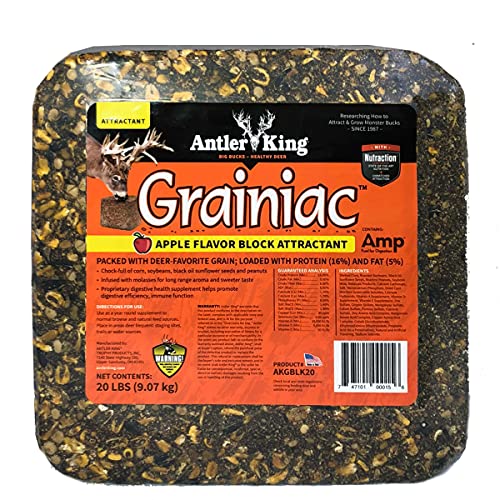
The Antler King Grainiac Block is a 20-pound block designed as a year-round feed supplement. It combines grains with protein- and fat-rich components and is flavored with molasses for long-range aroma. The product aims to deliver an easy, all-in-one feeding solution that deer learn to rely on for consistent nutrition. The long-range aroma supports attraction, while the mix of grains and protein supports growth and energy, especially in colder months or periods of high metabolic demand.
Key considerations: Block formats can be convenient for stationary feeding sites but may require multiple blocks for larger populations. The molasses-enhanced aroma helps draw deer, but user experience will vary with regional preferences and competition from other attractants. Regular monitoring helps ensure even consumption and the maintenance of feeder health and habitat balance.
Herron Outdoors 4-4-2 Protein Pellets, Blaze Orange

This Herron Outdoors 4-4-2 protein pellets with blaze orange color provide a highly visible attractant along with a balanced nutrition profile. The blend includes 40% protein, 40% corn, and 20% blaze orange pellets, designed to attract deer while supplying essential amino acids and energy. The blaze orange hue is marketed as an added visual attractant for field usage, potentially aiding hunters and wildlife observers in locating feeding sites while offering nutritional support to the herd through the protein-rich base.
Key considerations: The distinctive color and flavor profile may appeal to certain deer populations. Pellets provide consistent nutrition and ease of use in feeders, but availability and durability under local weather conditions should be considered. Ensure that the use of colored attractants aligns with local hunting and wildlife management guidelines.
Herron Outdoors 4-4-2 Sweet Apple Pellets

The Sweet Apple Pellets from Herron Outdoors combine a 4-4-2 protein-to-energy ratio with a sweet apple flavor to create an appealing attractant. Apple flavoring is a familiar and often effective deer lure, blending palatability with nutrition for consistent intake throughout the year. The pellet form offers easy handling, storage, and uniform feeding, making it suitable for standard deer feeders and ground applications alike.
Key considerations: Apple-flavored pellets may be especially appealing in regions where deer show strong fruit-preference. As with all pellet products, consider moisture control, feeder cleanliness, and thermally stable storage to preserve pellet integrity and nutrient content. Pairing with other forage sources may optimize intake and nutritional balance.
Buying Guide: Choosing Protein Pellets For Deer
- Nutrition balance: Look for a mix that provides a solid protein base (commonly 20-40% protein) paired with energy sources like corn and fats. Consider deer life stages in your population (fawns, does, bucks) when selecting protein levels.
- Flavor and attractants: Flavors such as persimmon, apple, or other fruit blends can boost intake, especially in competitive feeding areas. Aromatic and flavorful options tend to attract deer more reliably than bland pellets.
- Pellet vs. loose mix: Pellets offer uniform dosing and easy handling, while loose mixes with seeds and nuts can appeal to a broader array of wildlife but may require more space and feeder variation.
- Form factor and storage: Pellets are space-efficient but require dry storage. Blocks and ground feeds can be easier to use with dispersed feeding areas but may require more maintenance and monitoring for spoilage or mold.
- Seasonal strategy: In colder months, higher fat content and energy-dense blends help sustain deer. In spring and summer, protein-rich formulations support growth and antler development.
- Hunting regulations and habitat balance: Always align feeding practices with local wildlife management rules. Avoid overfeeding or creating dependency that disrupts natural foraging behavior.
- Storage and shelf life: Keep products in a cool, dry place to prevent spoilage. Check packaging for moisture exposure or pest vulnerability, especially in humid regions.
- Feeding setup: Decide between ground placement, dedicated feeders, or corn-adjacent suppression to attract and sustain deer. Ensure access control to minimize waste and deter non-target wildlife when appropriate.
This selection emphasizes real-food components and distinct attractants within protein-oriented offerings. Each product brings a unique balance of protein, energy, and aroma to support deer health and population dynamics. Always consider your local deer behavior, habitat, and feeding objectives when selecting a product and crafting a feeding plan.