For healthy freshwater tanks, live aquatic plants play a critical role in natural filtration by absorbing excess nutrients, producing oxygen, and fostering beneficial microbial activity. The following selection highlights easy-to-care-for plants and plant-based products that support filtration while enhancing your aquascape. This guide covers floating, rooted, and nutrient-boosting options to balance aesthetics with practical water quality benefits.
Summary of Selected Products:
- Giant Duckweed (Spirodela Polyrhiza) – floating plant, low light, rapid coverage
- Amazon Sword (Echinodorus Bleheri) – hardy, mid-to-tall plant for background filtration
- CANTON AQUATICS Low Light Aquatic Plant Set – diverse low-light specimens for natural filtration
- 5 Live Mangroves (Red Mangrove Seedlings) – nitrate reduction through established roots
- API ROOT TABS Freshwater Plant Fertilizer – promotes strong rooting and nutrient uptake
Giant Duckweed: Fast Floating Filtration

Giant Duckweed, Spirodela polyrhiza, is a floating freshwater plant valued for its rapid growth and high surface area. With 60 plants covering a circular 4-inch area, it offers quick coverage that helps shade the water, reduce light-driven algae blooms, and absorb excess nutrients. It tolerates low to medium light and is suitable for beginners seeking a low-maintenance filtration boost in planted tanks or ponds.
Key points: floating form; low to moderate light; freshwater; easy care; substantial leaf surface for nutrient uptake. Temperature sensitivity is important—monitor for abrupt changes to avoid plant stress. This species can be an efficient, visually appealing component of a balanced filtration strategy, especially in tanks with visible nutrient buildup or algae concerns.
Product notes suggest that shipping may be affected by temperature ranges, so plan to acclimate upon arrival. In addition to filtration, giant duckweed provides habitat for fry and contributes to a diversified aquascape. Its lightweight structure makes it compatible with many substrates and tank sizes.
Amazon Sword: Durable Filtration Plant

The Amazon Sword (Echinodorus bleheri) is a classic aquarium staple, known for its undemanding nature and visual impact. When grown to a height of 20–50 cm, it forms a substantial leafy backdrop that absorbs nutrients from the substrate, contributing to filtration through uptake of nitrates and phosphates. Regular pruning prevents shading of lower plants and maintains balanced light distribution in the tank.
Highlights include tolerance for varied lighting and robust growth in many aquarium setups. This plant is suitable for newcomers and experienced aquarists alike, thriving in decent light and offering a striking, broad-leaved appearance that can anchor a planted aquascape. It’s sometimes found under the historical name “Paniculatus,” reflecting its enduring popularity in freshwater tanks.
Notes for care: ensure a nutritious substrate to support root development and provide periodic trimming to keep the canopy from dominating smaller foreground species. A healthy Amazon Sword can contribute to a stable nutrient cycle by actively absorbing nutrients during growth spurts.
CANTON AQUATICS Low Light Plant Set
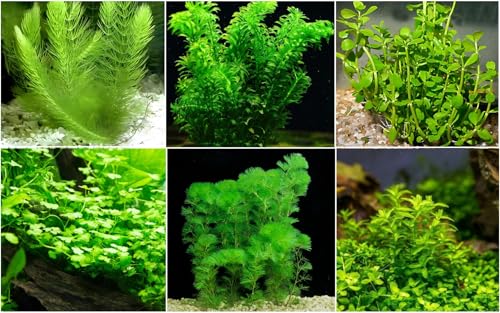
This beginner-friendly collection provides six bunches of diverse low-light aquatic plants designed to thrive with minimal maintenance. The varied heights and textures create a dynamic underwater landscape while supplying natural filtration by absorbing nutrients and contributing to the tank’s biological balance. Low-light compatibility makes these plants suitable for rooms without intense illumination or for aquariums with moderate LED fixtures.
Benefits include easy care, resilience, and a consistent supply of fresh growth. The selection helps create microhabitats, supports beneficial bacteria by providing surface area for biofilm, and reduces nutrient concentrations that might otherwise fuel algae growth. Regular trimming encourages compact growth and prevents overgrowth in compact tanks.
Care considerations: monitor light levels to prevent leggy growth, and trim to maintain a balanced aquascape. This set is particularly appealing for hobbyists seeking a natural filtration boost without demanding plant species.
5 Live Mangroves: Nitrate Filtration Roots
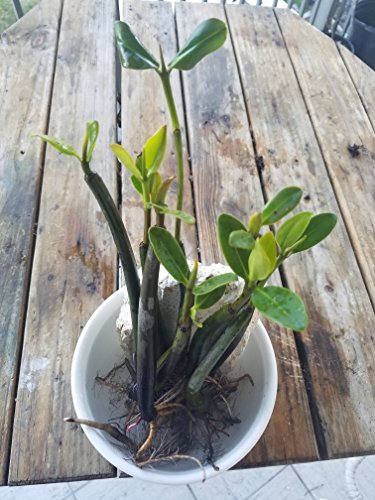
Red Mangrove (Rhizophora mangle) seedlings bring a unique nutrient-uptake dynamic to freshwater systems when grown in brackish to freshwater setups. With established roots and multiple leaves, these mangroves can contribute to nitrate reduction and overall water quality improvements. They require careful placement and appropriate salinity considerations if transitioning from an entirely freshwater system, as mangroves are naturally more tolerant of brackish conditions.
Key traits: healthy root systems, adequate height, and ongoing growth that supports filtration through nutrient uptake and microbial interactions. In aquariums, mangroves can serve as both a filtration feature and an ornamental focal point, adding vertical structure and a natural coastline appeal. Regular maintenance ensures roots do not overwhelm other aquatic plants or create blockages in filtration pathways.
API ROOT TABS: Plant Fertilization

API ROOT TABS are a rooted plant fertilizer designed to promote strong root development in freshwater aquariums. Each box contains ten 0.4-ounce tabs that deliver essential nutrients—iron, potassium, and carbon—directly to plant roots, supporting healthier growth and more robust filtration from well-established root systems. Root tabs are particularly beneficial for planted tanks with substrate-dwelling specimens and for plants with higher root demands.
Usage guidelines emphasize inserting tabs below the substrate near plant roots to maximize absorption. They complement regular water changes and balanced lighting, contributing to a more stable plant population that aids filtration through nutrient uptake and photosynthesis-driven oxygenation. This product is suited for hobbyists prioritizing rooted plant performance and a reliable nutrient delivery method.
Buying Guide: Key Purchase Considerations and Comparisons
- Filtration role and plant type: Floating plants like duckweed quickly absorb nutrients near the water surface and shade algae-prone areas, while rooted plants such as Amazon Sword actively uptake nutrients from the substrate and stabilize the substrate structure.
- Light requirements: Low-light groups (e.g., Canton Aquatics set) are ideal for tanks without strong lighting. More demanding species (Amazon Sword) still thrive in modest lighting with proper substrate and fertilization.
- Substrate and roots: Rooted species benefit from nutrient-rich substrates or root tabs. If you use root tabs (API ROOT TABS), ensure the substrate can accommodate the tabs without compacting and hindering root growth.
- Nutrient balance: Live plants reduce nitrates and phosphates, aiding filtration. However, overstocking with plants can deplete CO2 and nutrients needed for coraline algae and other tank inhabitants, so balance is essential.
- Maintenance and pruning: Regular trimming maintains light penetration and prevents shading of foreground plants. Floating species require surface management to prevent overgrowth and oxygen depletion at night.
- Compatibility with tankmates: Mangroves can offer a distinctive structure but may require brackish care. Research species-specific tolerances to avoid stress or plant decline.
- Growth pace and space: Rapidly growing plants can overwhelm a tank if not pruned. Plan for growth progression and ensure adequate space for both filtration plants and visually appealing foreground plants.
When selecting plants and products for filtration, consider your tank size, lighting setup, substrate type, and the presence of sensitive inhabitants. A mixed approach—combining floating species for nutrient uptake and shaded regions with robust rooted plants—often yields the most consistent water quality. Regular testing of ammonia, nitrites, nitrates, and phosphates, alongside scheduled water changes, will help gauge the effectiveness of your plant-based filtration strategy.