Reef tanks thrive when corals and other filter feeders receive a steady, nutrient-rich phytoplankton supply. This guide highlights five high-quality options from trusted brands, focusing on ease of use, value, and nutritional content. Whether you’re supporting soft corals, clams, sponges, or copepods, selecting the right phytoplankton can help sustain growth, coloration, and a healthy reef ecosystem.
| Product | Brand | Size | Key Benefit |
|---|---|---|---|
| Reef Phytoplankton, 250 mL | Seachem | 250 mL | Easy to use; US-made |
| Reef Phytoplankton, 500 mL | Seachem | 500 mL | Great value; easy to use |
| PhytōGreen-M Marine Phytoplankton | Brightwell Aquatics | 125 mL | 10–15 µm for efficient filter feeding |
| Phyto-Feast | Reef Nutrition | Live | Specialized coral food |
| Phyto GroFormula | BARRIER REEF LABS | Powder | Amino acids, protein-rich |
Below are five product-focused sections that detail each option, followed by a buying guide to help you compare features, feeding strategies, and tank needs. All product sections reference the listed features to provide objective, practical guidance for reef hobbyists.
Seachem Reef Phytoplankton (250 mL)
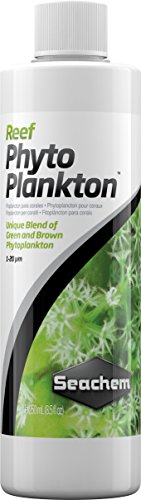
Seachem’s 250 mL reef phytoplankton is designed for straightforward use in home aquariums. The product emphasizes ease of use and value, making it suitable for hobbyists who want a reliable, ready-to-feed option without complicated preparation. It is marketed as manufactured in the United States, which may appeal to buyers seeking domestically produced reef-support products. For tanks with corals that rely on microalgae, this formula can help sustain daily feeding routines and maintain plankton availability for filter feeders.
Seachem Reef Phytoplankton (500 mL)

The 500 mL option from Seachem doubles the volume of the smaller bottle, continuing the brand’s emphasis on ease of use and value. This larger format is convenient for hobbyists managing multiple reef systems or larger tanks that demand a steadier supply of phytoplankton. As with the 250 mL variant, the product is positioned as easy to use and American-made, supporting consistent feeding regimens for corals, sponges, and other filter feeders that benefit from microalgal nutrition.
Brightwell Aquatics PhytōGreen-M Marine Phytoplankton
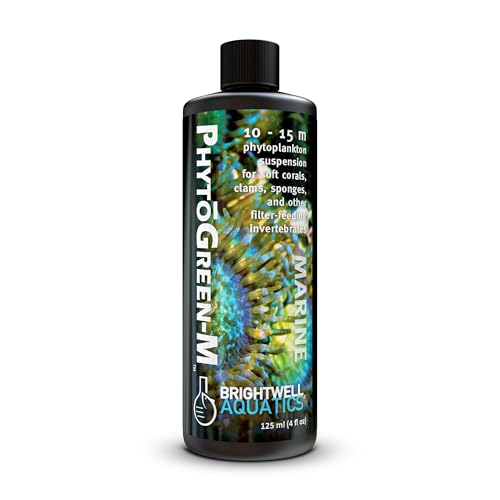
Brightwell Aquatics PhytōGreen-M is a marine phytoplankton product formulated for reef tanks. It targets naturally occurring reef feeders, offering 10–15 micron-sized Tetraselmis phytoplankton, which is well-suited for soft corals, sponges, clams, and tube worms. The formula is described as highly nutritious, delivering essential fatty acids, amino acids, and chlorophyll A to support growth and vitality. Coloration support for invertebrates is highlighted through a proprietary amino acid blend, which can aid in maintaining vibrant reef inhabitants when fed regularly.
Phyto-Feast® | Reef Nutrition

Phyto-Feast from Reef Nutrition is marketed as a live aquarium food designed for corals in reef systems. While not a traditional bottled phytoplankton, Phyto-Feast provides targeted feed for corals and other planktivores, offering practical feeding options for aquarists who want to diversify their feeding strategy. Its live nature supports biological processes in the tank, creating a more dynamic feeding environment that can complement other phytoplankton products in a rotating regimen.
Phyto GroFormula Phytoplankton Reef Food

Barrier Reef Labs Phyto GroFormula features a high-protein, micro-biotic powder designed as a reef-specific food. The product emphasizes amino-acid-rich nutrition intended to support a robust, diverse food web within the aquarium. The powder format makes it convenient for routine use with live feeds, and the focus on coral-invertebrate health aligns with reef-keeping goals where zooplankton and micro-foods contribute to overall biodiversity and growth potential.
Aqua Algae F/2 Concentrated Phytoplankton

Aqua Algae’s F/2 formula is a professional-standard, guillard-based culture designed for large tanks or multiple systems. The 32-ounce bottle is marketed as providing a massive yield, enabling a high-volume, continuous supply of phytoplankton to support copepods, rotifers, and corals. The concentrate is positioned as cost-effective for hobbyists who want to scale up feeding across a reef system while maintaining a consistent nutrient profile for microbial and invertebrate populations.
Seachem Reef Phytoplankton (2 L)
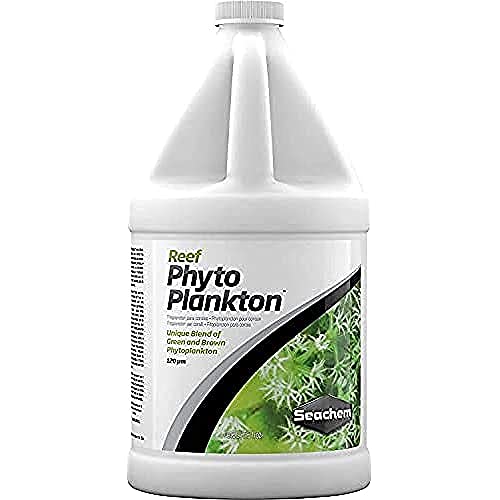
The 2-liter Seachem offering combines a concentrated blend of green and brown marine phytoplankton, designed for larger tanks or systems that demand a sustained feed. The size range of 1–20 μm supports a broad spectrum of planktonic feeders, while the enhanced bioavailability of nutrients helps ensure effective uptake by corals and invertebrates. This option is suitable for serious hobbyists who want a steady, long-term phytoplankton supply with fewer replenishments.
BiggerFish Live Phytoplankton Blend

BiggerFish provides a live phytoplankton blend designed for reef fish and corals. The product emphasizes farm-grown, hand-bottled freshness, aiming to boost biodiversity by supporting copepod populations and other microfauna. This option is positioned for aquarists seeking a hands-on approach to sustaining a vibrant reef ecosystem, with a focus on nutrition and population dynamics within the tank.
Buying Guide: Key Purchase Considerations
- Target organism: For soft corals, clams, and sponges, select phytoplankton with appropriate microalgae size and nutrient density. Brightwell’s 10–15 micron size is particularly suitable for many soft corals and filter feeders.
- Form and dosing: Bottled liquids (Seachem, Brightwell) offer quick dosing, while live foods (Phyto-Feast, BiggerFish) can provide immediate nutrition for copepods and zooplankton populations. Powder formulas (Phyto GroFormula) are convenient but require proper mixing and feeding routines.
- Volume and cost efficiency: Larger bottles offer better value over time, especially for bigger tanks or multiple systems. Consider your weekly feeding rate and tank’s bioload when choosing size.
- Source freshness and stability: Live or freshly prepared feeds can deliver more immediate nutrients but may require more careful storage. Dried or concentrated formulas provide stability but may need longer preparation.
- Tank compatibility: Check whether your equipment (lighting, skimming, and filtration) supports increased plankton populations without triggering nutrient spikes. A gradual introduction helps prevent nutrient swings that can provoke unwanted algae blooms.
- Manufacturing location and quality controls: Domestic production (as highlighted by some Seachem products) can influence availability and perceived quality, though domestic status is not the sole indicator of performance.
- Feeding strategy: Rotating products (mixing bottled, live, and powder forms) can promote biodiversity, reduce feeding fatigue in copepods, and sustain a robust food web across the tank.
When choosing a phytoplankton product, align your selection with tank size, coral and invertebrate types, and your feeding schedule. The five highlighted options cover a range of formats and nutrient profiles to help reef keepers tailor a feeding plan that supports growth, coloration, and biodiversity without compromising water quality.