Outdoor cats deserve warmth during cold seasons, and a reliable heating pad can provide steady comfort without daily fuss. Below are five top-rated outdoor-friendly models, highlighting how each pads your pet’s resting area with safety, ease of use, and durable design. The guide compares power options, temperature controls, weather resistance, and maintenance needs to help you choose the right fit for your cat’s outdoor shelter or indoor-outdoor space.
| Product | Brand | Key Features | Weight/Size (approx.) |
|---|---|---|---|
| K&H PET PRODUCTS Self-Warming Cat Bed Pad | K&H Pet Products | 21″ x 17″ | |
| PetTemp Pet Heating Pad | PetTemp | 16″ x 13″ | |
| Petace Outdoor Heated Cat Bed | Petace | 19.7″ x 15.7″ | |
| Self Heating Cat Pad Self Warming Bed | Mora Pets | 27.5″ x 18.5″ | |
| INVENHO Heated Cat Bed | INVENHO | 18″ x 16″ |
Note: All listed products are designed for cats; some models are suitable for dogs too. When selecting, consider your shelter type (garage, porch, barn, or an insulated bed), local climate, and how you will position the pad for maximum warmth and safety.
K&H Self-Warming Cat Bed Pad

This model uses self-heated cat bed technology with a plush material that captures body heat and radiates warmth back to the pet. It requires no electricity, relying on the cat’s own warmth to create a cozy lounging space. The reversible blanket design provides soft, plush comfort from both sides, and its 21″ x 17″ size fits well on furniture, in a crate, or inside a cat house. The pad is suitable for indoor pet beds or furniture and can be used on the go, making it versatile for a variety of outdoor setups when paired with shelter.
PetTemp Heating Pad for Cats & Dogs
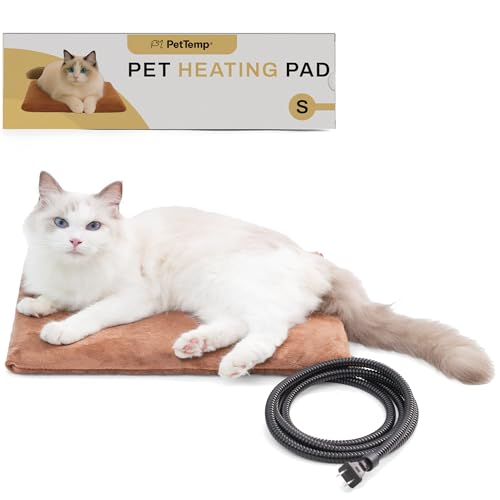
The PetTemp pad maintains a constant 100–104°F with a built-in thermostat for steady warmth. It is designed for indoor use and sheltered outdoor spaces like covered dog houses or cat houses. A waterproof inner layer protects the heating element, and the removable cover makes cleaning easy, helping keep the resting area hygienic. While suitable for outdoor shelters, it is not intended for direct exposure to rain or snow, so position it under a covered area for best results.
Petace Outdoor Heated Cat Bed

Petace offers a water-resistant bottom and an adjustable loft for enhanced comfort. The pad automatically warms to a preset temperature once your pet settles in, ensuring consistent warmth in outdoor shelters or porches. Its design emphasizes long-lasting use in outdoor environments, with protection against moisture and a focus on keeping feral or indoor-outdoor cats warm during cold periods.
Self Heating Cat Pad Self Warming Bed

This large self-warming pad uses three layers of heat-reflecting material to retain warmth, making it ideal for larger cats or multiple small pets sharing a shelter. There is no electricity or loud crinkling noises, thanks to a noiseless Mylar heat-reflecting layer. It is suitable for both indoor and outdoor naps, providing reliable warmth without requiring power, which can be advantageous for remote outdoor shelters or areas with limited access to electricity.
INVENHO Heated Cat Bed

The INVENHO model combines 11 adjustable temperature levels (90–130°F range) with a timer function, automatically shutting off after 1–24 hours. A spiral chew-resistant cord guard protects the power connection, and a soft, washable cover makes maintenance simple. A built-in temperature sensor helps prevent overheating, which is critical for outdoor use where pets may lie for extended periods in chilly weather.
Buying Guide: Key Purchase Considerations
- Weather and shelter compatibility: Choose a pad with a moisture barrier and a bottom suited to your shelter (garage, porch, barn) to prevent dampness affecting warmth and performance.
- Power options: Consider self-warming (no electricity) vs. electric heating pads. Self-warming pads are low maintenance but may provide less consistent warmth in very cold climates; electric pads offer precise temperature control and timers but require access to power.
- Temperature control: Look for adjustable temperature settings and timers to tailor warmth to different seasons and pet needs. A built-in overheat or safety sensor is essential for pet safety.
- Safety and durability: Ensure chew-resistant cords, UL-listed components, and waterproof or water-resistant materials. A non-slip bottom helps keep the pad in place.
- Cleaning and maintenance: Removable covers that are machine washable simplify upkeep, especially for outdoor use where dirt and dander can accumulate.
- Size and fit: Match the pad size to your cat’s resting area. Larger pads are useful for multi-pet households but should still fit the shelter or furniture where the cat rests.
- Ease of use: For feral or outdoor cats, consider a pad that requires minimal intervention while providing reliable warmth. Self-warming options can be easier to deploy in simple shelters, while thermostatically controlled models suit homes with predictable power access.
- Longevity and warranty: Outdoor-grade pads with robust construction and warranty support can reduce replacement frequency in harsh climates.
Selecting the right outdoor heating pad involves balancing warmth reliability with shelter conditions, safety features, and maintenance needs. For feral or shelter cats, durability and weather resistance often matter most, while homes with covered outdoor spaces may benefit from models with precise temperature control and removable, washable covers for clean, consistent warmth.