Finding the right milk replacement is essential for puppies that can’t nurse from their mother. This guide reviews five well-regarded options designed to support growth, digestion, and immunity during the critical first weeks of life. Each product offers complete nutrition, easy digestibility, and added immune or gut-health benefits to help orphaned or nursing-challenged pups thrive.
| Product | Brand | Notes | Size |
|---|---|---|---|
| PetLac Puppy Milk Replacement | PetAg | Complete nutrition; easy to digest with prebiotics | 10.5 oz |
| Goat’s Milk Esbilac Liquid | PetAg | Closest to Mother’s milk; sensitive digestion support | 11 oz |
| Esbilac Puppy Milk Replacer Liquid | PetAg | Ready-to-feed; balanced nutrition; easy to digest | 11 oz |
| Esbilac Puppy Milk Replacer Powder | PetAg | Powder form with prebiotics and probiotics | 12 oz |
| Under the Weather Puppy Milk Replacer | Under the Weather | Colostrum-infused; immune support; good for sensitive digestion | 12 oz |
PetLac Powder for Puppies — 10.5 oz

PetLac from PetAg provides complete, balanced nutrition for newborns to six weeks old puppies. It is designed for orphans or nursing puppies and includes vitamins, minerals, and amino acids. The formula is easy to digest, with prebiotics and probiotics to support gut health and acceptance by picky eaters.
Goat’s Milk Esbilac Liquid — 11 oz

Esbilac Goat’s Milk Liquid offers a near-mother’s-milk experience using whole goat milk protein, formulated for puppies with sensitive digestion. It provides essential protein, fat, and carbohydrates, along with added vitamins, minerals, and trace nutrients. Its fiber blend supports easy digestion and gut health.
Esbilac Puppy Milk Replacer Liquid — 16 oz

This Esbilac liquid formula serves as a ready-to-feed option for newborns up to one year. It aims to duplicate mother’s milk in protein, fat, and carbohydrates while including vitamins, minerals, and trace nutrients. The product is formulated to be highly digestible with a fiber blend for gut health.
Esbilac Puppy Milk Replacer Liquid — 11 oz

The 11-ounce Esbilac liquid option from PetAg provides a dependable milk replacement when maternal nursing isn’t possible. It mirrors mother’s milk nutrition, with a focus on digestibility through a fiber blend and the inclusion of essential vitamins and minerals.
Hartz Powdered Puppy Milk Replacer — 12 oz
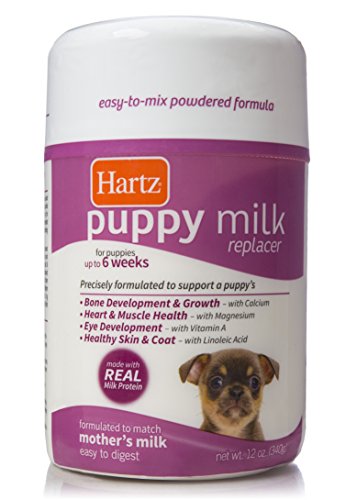
Hartz Powdered Puppy Milk Replacer is a quick-mix formula designed to resemble a mother dog’s milk. It blends easily with room temperature water and supports healthy bone development with calcium, while magnesium and essential fatty acids contribute to heart health and coat condition.
Esbilac Powdered Puppy Milk Replacer — 12 oz

PetAg Esbilac Powdered Milk Replacer combines prebiotics and probiotics with the standard Esbilac nutrition profile. This powder formula aims to support immune health and digestion while providing balanced nutrition for newborns to six weeks old.
Under the Weather Puppy Milk Replacer With Colostrum — 12 oz
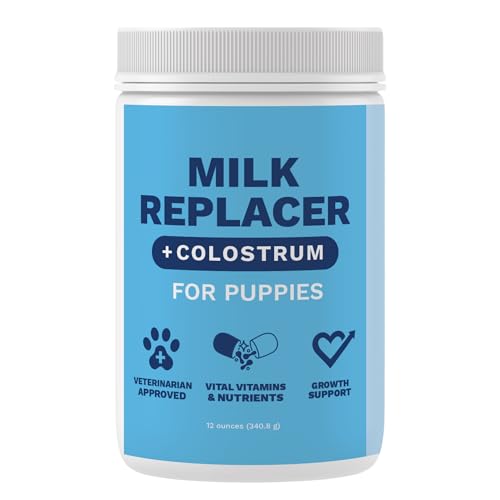
This formula includes bovine colostrum to bolster immune development, offering a high-protein base and digestible fats. It is designed for puppies needing extra immune and digestive support, including orphaned or nursing-challenged individuals.
Buying Guide
Key considerations when selecting a puppy milk replacer include nutritional balance, digestibility, form, and immune support features. The following perspectives help ensure you choose the right option for a given puppy’s needs.
- Nutritional completeness: Look for products that provide a balanced mix of protein, fat, carbohydrates, vitamins, and minerals. Some formulas closely mimic mother’s milk, which can support standard growth patterns.
- Digestive health: Prebiotics, probiotics, and fiber blends can improve gut health and nutrient absorption. If a puppy has a sensitive stomach, a formula with a gentle fiber profile may be beneficial.
- Form and practicality: Liquid formulas are convenient for on-demand feeding; powders require mixing but can be cost-effective and storable. Ready-to-feed options reduce preparation time but may be pricier.
- Immune support: Colostrum or added immune-boosting ingredients can be advantageous for orphaned or vulnerable puppies, particularly in the first weeks of life.
- Storage and handling: Check storage instructions (refrigeration needs, shelf life, and portability) to ensure freshness and ease of use in your setting.
- Veterinary guidance: For puppies with special needs or digestion issues, consult a veterinarian to choose a formula tailored to their health status.
- Age range compatibility: Ensure the product covers the target age (newborn to six weeks is a common window). Some formulations extend to older puppies and may be better for rescue situations.
- Allergen considerations: If a puppy has known sensitivities, review ingredient lists for potential allergens and consider hypoallergenic options where available.
Selecting the best milk replacer involves balancing digestibility, immune support, and convenience. The reviewed products cover a range of needs—from standard newborn nutrition to formulas with colostrum or goat milk—to help caregivers make informed decisions for healthy early growth.