Choosing the right large breed puppy food helps support healthy growth, strong bones, and steady energy for German Shepherds. This guide compares top options designed for large-breed puppies, highlighting nutrient profiles, kibble design, and how each brand addresses joint health, brain development, and coat quality. Below, find product sections with quick access links and a concise buying guide to help you decide.
| Product | Brand | Key Benefit |
|---|---|---|
| Hill’s Science Diet Large Breed Puppy Food – Lamb & Brown Rice | Hill’s Science Diet | Brain development and muscle support |
| Royal Canin German Shepherd Puppy Dry Food | ROYAL CANIN | Breed-specific shape and immune support |
| Royal Canin Size Health Nutrition Large Puppy | ROYAL CANIN | Growth and energy for large breeds |
| Hill’s Science Diet Large Breed Puppy Food – Chicken & Brown Rice | Hill’s Science Diet | Brain development and joint support |
| Purina Pro Plan Large Breed Dry Puppy Food – Chicken & Rice | Purina Pro Plan | Growth rate and joint health support |
Hill’s Science Diet Large Breed Puppy: Lamb & Brown Rice

Hill’s Science Diet Large Breed Puppy Food with lamb and brown rice targets growing large breeds, including German Shepherds. It emphasizes DHA from fish oil to support brain and eye development, alongside high-quality protein to fuel growing muscles and active play. The formula also features balanced minerals to support developing bones and teeth. This option is suitable for puppies that require a steady growth rate while supporting cognitive development during early life stages. The kibble is designed for ease of chewing and digestion, making it a practical daily choice for households with busy schedules.
Hill’s Science Diet Large Breed Puppy Food – Chicken & Brown Rice
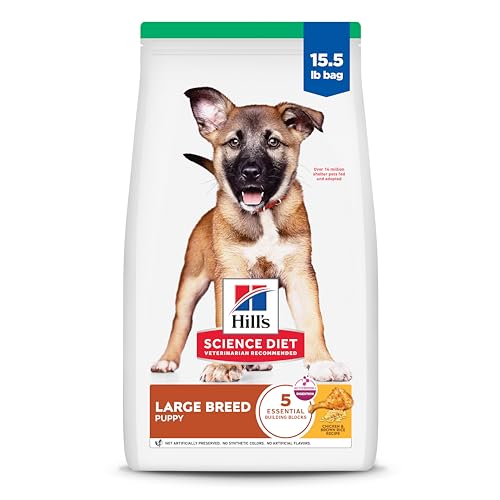
This Hill’s Science Diet Large Breed Puppy formula uses DHA from fish oil to support brain and eye development, with high-quality protein to sustain growing muscles and active play. Balanced minerals help support bone and teeth growth essential for German Shepherd puppies. The chicken and brown rice base offers a familiar protein source with easily digestible carbohydrates. As a large-breed puppy-focused option, it emphasizes a growth-friendly energy balance and nutrient density that align with the breed’s developmental milestones.
Royal Canin Size Health Nutrition Large Puppy

Royal Canin Size Health Nutrition Large Puppy is formulated to support large-breed puppies from 2 to 15 months old, with expected adult weights between 56 and 100 pounds. The kibble texture is designed for gentle chewing, aiding digestion and training. This formula includes nutrients that support brain development and energy requirements during growth, which aligns well with active German Shepherd puppies. It works as a versatile option for households choosing a brand with a long-standing focus on breed-specific needs and robust veterinary-backed research.
Purina Pro Plan Large Breed Dry Puppy Food – Chicken & Rice (34 lb)

Purina Pro Plan Large Breed Dry Puppy Food with chicken and rice is specifically formulated to support an appropriate growth rate for large breed puppies. It features glucosamine to support developing joints and cartilage, along with vitamin A and omega-6 fatty acids to nourish skin and coat. The protein blend helps build lean muscle mass without overloading a growing frame. It suits breeders and owners who prefer a formula balancing joint support with skin and coat health, all while catering to the energy needs of a German Shepherd puppy.
Purina Pro Plan Large Breed Dry Puppy Food – Chicken & Rice (47 lb)

This larger bag option of Purina Pro Plan Large Breed Dry Puppy Food expands on the same growth-focused formula. It emphasizes a controlled growth rate with glucosamine for joints and a balanced vitamin profile to support skin, coat, and immune health. The larger bag offers long-term value for households with multiple dogs or higher feeding needs as the German Shepherd puppy transitions toward adolescence, ensuring consistent nourishment without frequent refills.
Buying Guide: Large Breed Puppy Food For German Shepherds
When selecting large breed puppy food for German Shepherds, consider these key factors to ensure optimal development and long-term health.
- Nutrient balance for growth: Look for formulas with appropriate protein, fat, and energy density to support steady growth without excessive weight gain. A target protein range around 25-32% and fat around 12-22% often suits large breed puppies, but always follow brand guidance and veterinarian advice.
- Joint and bone support: Large breeds are prone to joint stress. Formulas featuring glucosamine, chondroitin, and omega-3 fatty acids can support cartilage health and inflammatory balance during growth.
- Brain and vision development: DHA from fish oil supports cognitive and visual development, which is beneficial for highly intelligent breeds like German Shepherds.
- Breed-specific nutrition: Some brands offer breed-formulated recipes designed for German Shepherds, with kibble shapes and textures tailored to their muzzle shape and chewing patterns.
- Digestive health and palatability: Choose recipes with high digestibility and good palatability to ensure consistent eating habits and nutrient absorption.
- Size and chewing adjustments: Large-breed puppies grow rapidly; consider kibble size and texture to promote proper chewing and reduce gulping, supporting dental health and digestion.
- Feeding guidance and growth monitoring: Follow feeding guidelines based on weight and age, and adjust as the puppy grows. Regular vet check-ins help tailor portions to individual growth trajectories.
- Brand variety and value: Different brands offer varied nutrient blends and bag sizes. Consider availability, price per pound, and whether you prefer a single-brand routine or rotating formulas to address changing needs.
- Safety and quality claims: Look for reputable brands with AAFCO statements, quality-control processes, and transparent ingredient sourcing to ensure safety for growing puppies.
- Allergies and sensitivities: If a German Shepherd puppy shows signs of food sensitivity, consult a veterinarian about limited-ingredient or novel-protein options and monitor skin, coat, and stool changes.
Final considerations include aligning your choice with your puppy’s activity level, temperament, and any breed-specific guidance from a veterinarian. A feeding plan that evolves with growth stages—from 8 weeks through adolescence—helps maximize energy, muscle development, and joint resilience. The five highlighted products offer a range of nutrient profiles and designs that suit German Shepherd puppies, enabling you to select a clinically supported option that integrates well into your daily routine.