Outdoor cat houses require reliable insulation to protect feral, stray, and outdoor house cats from cold snaps and wet conditions. The following selections mix reflective insulation, robust building materials, and heated options to help keep felines warm while minimizing drafts and moisture. Each product is designed to improve warmth, reduce heat loss, and withstand outdoor conditions. Below you’ll find detailed sections for five top picks with practical buying considerations to help you choose the right solution for your climate and cat population.
Summary Table of Selected Products
| Product | Brand | Core Benefit | Key Feature Highlight |
|---|---|---|---|
| INSULATION MARKETPLACE SmartSHIELD Reflective Insulation Roll | INSULATION MARKETPLACE | Radiant barrier and vapor protection | 3mm closed-cell foam core with dual-sided reflective foil |
| SmoothNovelty Aluminum Foil Insulation Kit | SmoothNovelty | Thermal insulation and sealing | Foil insulation with sealing tape and tools included |
| Heated Outdoor Cat House With Heater (Outdoor Shelter) | Txunocy | All-weather warmth with built-in heating | Five-layer insulation, windproof canopy, easy assembly |
| Tailtastic Weatherproof & Insulated Outdoor Cat House (Small/Large) | TailTastic | All-season insulation with water-resistant shell | Triple-layer insulation; raised, dry base |
| Bedsure Weatherproof Outdoor Cat House | Bedsure | Moisture protection and heat reflectivity | Waterproof exterior, moisture-proof base, heat-reflective walls |
INSULATION MARKETPLACE SmartSHIELD Insulation Roll
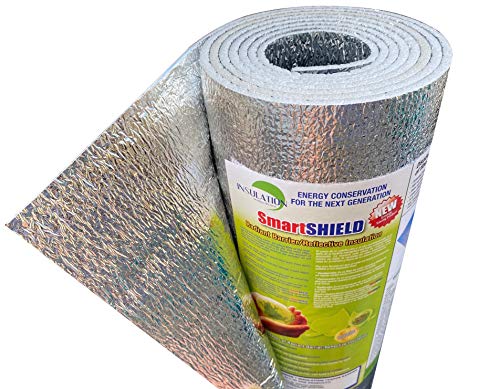
Overview: This insulation roll combines a reflective aluminum foil barrier with a 3mm closed-cell polyethylene foam core. It mirrors radiant heat back toward the interior of the cat house while providing a vapor barrier that remains effective in humid or wet conditions. The design emphasizes durability, ease of cutting, and light weight, which helps when lining or upgrading outdoor shelters. The dual-sided reflective foil enhances thermal performance in cold and sunny conditions alike, making it suitable for varying climates.
Why it matters for outdoor cats: Radiant barriers slow heat loss, keeping interior temperatures steadier during cold days and nights. The vapor barrier reduces moisture buildup, which helps maintain a drier interior environment that is less prone to mold or damp odors. The material’s light weight and rigidity allow for straightforward installation in single-wall pet houses or larger shelters, particularly when retrofitting existing structures.
Considerations: Check for compatibility with your shelter’s dimensions and ensure you have appropriate tools for cutting and securing the roll. If you expect heavy precipitation, pairing this insulation with a rainproof exterior will enhance longevity and performance.
SmoothNovelty Aluminum Foil Insulation Kit
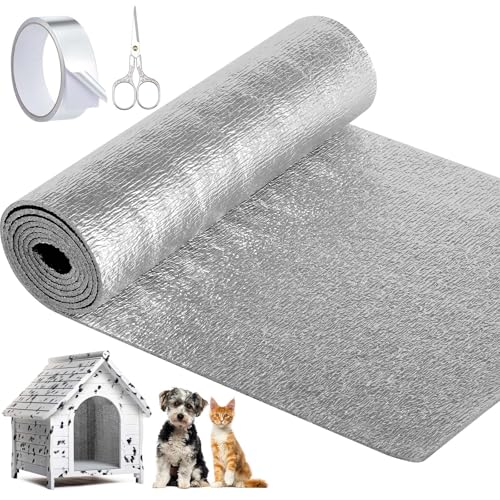
Overview: This kit provides an aluminum foil insulation roll combined with a sealing tape and a scissors set. The core is a multilayer construction featuring aluminum foil and pearl cotton, delivering reflective insulation with sealed seams to minimize heat escape. It’s designed for covering dog houses, windows, or insulation layers, making it a flexible option for small shelters or as an add-on to larger units.
Why it matters for outdoor cats: Reflective insulation can significantly reduce heat loss, especially when used on the roof or outer walls of a sheltered cat space. The included sealing tape helps create tight joints, limiting drafts. Its multi-layer design and sun protection properties add resilience against variable outdoor conditions.
Considerations: The kit is useful for owners who want a quick upgrade or a DIY retrofit. Ensure you have enough coverage for the shelter’s exterior and that the tape adheres well to the chosen surface, especially in damp environments.
Txunocy Heated Outdoor Cat House With Heater

Overview: A heated outdoor cat house that combines multiple insulation layers with an integrated heating element. The five-layer insulation helps maintain interior warmth, while the windproof canopy blocks drafts. A quick-open design with Velcro fasteners simplifies cleaning and maintenance, and the overall construction aims to withstand outdoor weather and protect cats during winter.
Why it matters for outdoor cats: The built-in heater reduces the reliance on external heat sources and can extend safe habitation periods for feral or stray cats in freezing conditions. The robust outer shell and wind-resistant features help maintain interior stability, making it a practical all-season shelter option for areas with harsh winters.
Considerations: Evaluate the heater’s wattage and safety specifications for your climate. Ensure correct placement away from direct moisture and provide a safe power source if used in unfenced outdoor spaces.
Tailtastic Weatherproof & Insulated Outdoor Cat House (Small)

Overview: This shelter emphasizes a seamless base that stays dry, combined with triple-layer insulation using polyethylene foam and foil core. The design focuses on water resistance, ease of assembly, and warmth, making it suitable for small outdoor cat populations in variable climates. Raised base helps prevent ground moisture from seeping into the shelter.
Why it matters for outdoor cats: The raised base reduces moisture exposure, keeping the interior drier and more comfortable. The all-season insulation helps maintain interior warmth during cold days and nights, while the waterproof exterior protects against rain and snow. It is scalable for smaller cat groups or spaces that require a compact shelter.
Considerations: Check the shelter’s dimensions to ensure it fits your outdoor space and cat population. For larger groups or harsher climates, pairing with additional blankets or low-wattage heaters may be beneficial.
Bedsure Weatherproof Outdoor Cat House
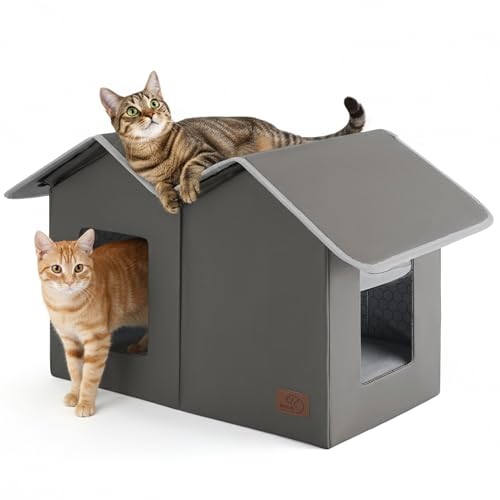
Overview: This beds-style shelter emphasizes waterproof exterior walls and a moisture-proof base. The interior features heat-reflective honeycomb fabric to retain warmth without electricity, making it a low-energy option for cats that rely on passive warming. It is designed to keep interiors dry and comfortable during rainy conditions and damp ground.
Why it matters for outdoor cats: The waterproof exterior plus a moisture-proof floor helps prevent dampness, a common issue in wet climates. Heat-reflective interior walls contribute to warmth by reflecting a cat’s own body heat, supporting comfort during cooler periods. This design is suitable for colonies or small groups that do not require a powered heating source.
Considerations: This model is a good fit for milder winters or as part of a layered shelter strategy. If temperatures frequently drop below freezing, consider additional insulation or a supplemental heat source to maintain interior warmth.
Buying Guide: Key Purchase Considerations For Outdoor Cat House Insulation
- Insulation Type: Reflective foil barriers help reduce radiant heat loss, while foam and air-pocket designs slow conduction. A combination often delivers the best all-season performance in outdoor shelters.
- Moisture Management: Look for vapor barriers and waterproof exteriors to prevent damp interiors. Raised bases and sealed seams minimize ground moisture contact.
- Durability And Weather Resistance: Choose materials rated for wind, rain, and temperature fluctuations. Easy-clean features reduce maintenance efforts after storms or heavy use.
- Heat Sources: Decide between passive insulation and active heating. Heated shelters provide warmth during extreme cold but require power considerations and safety checks.
- Size And Fit: Measure your shelter’s dimensions to ensure insulation materials or kits fit properly. Retrofit options may be preferable for existing structures.
- Installation: Ease of installation matters for DIY upgrades. Some kits include tools and tapes; others require basic household supplies.
- Safety: If using a heater, ensure proper ventilation, moisture protection, and adherence to local safety guidelines to avoid fire hazards.
- Maintenance: Materials that resist mold, mildew, and moisture simplify long-term care and extend shelter life.
- Climate Suitability: In extremely cold regions, combine multiple insulation layers with a small, safe heat source. In milder climates, robust reflective insulation with a dry base may suffice.
- Cost And Availability: Compare per-square-foot performance and long-term durability. Consider multi-pack options for larger shelters or multiple cats.
Overall, selecting the right insulation for an outdoor cat house depends on climate, shelter size, and whether you prefer passive warmth, active heating, or a blend of both. The products above offer varied approaches—from reflective barrier rolls to heated enclosures and weatherproof shells—allowing you to tailor a solution that keeps outdoor cats warm, dry, and safe throughout the year.