Floating aquarium plants offer natural water filtration, shade for fish, and a lush aesthetic to any freshwater tank. This guide concentrates on top floating varieties available on Amazon, with five carefully chosen products that cover a range of leaf shapes, growth habits, and care needs. Whether you’re new to planted tanks or building a diverse floating canopy, these options provide practical benefits and easy maintenance for American hobbyists.
| Product | Brand | Leaves/Key Feature |
|---|---|---|
| Aquarigram 40+ Leaves Red Root Floaters | Aquarigram | 40+ leaves, includes mystery bonus plant, natural filtration |
| Water Spangle, Salvinia Minima | Aquarium Plant Center | Floating carpet, low to medium light, 60+ leaves in 12 plants |
| Ultimate Floating Plant Bundle | Shore Aquatic | Duckweed, Red Root Floaters, Salvinia, Water Spangles |
| 60+ Leaves Water Spangles | Generic | Dense mat, easy care, medium to high light |
| Red Root Floater Live Plants | Generic | 50+ leaves, red-purple undersides, moderate to high light |
Aquarigram 40+ Leaves Red Root Floaters

The Aquarigram Red Root Floater features a high leaf count, with a combined total of 40 leaves or more in each shipment. A mystery bonus plant is included to broaden the floating canopy. These plants help create a natural filtration system by absorbing ammonia, nitrates, and heavy metals from the water, supporting a balanced aquarium environment. They thrive under standard aquarium lighting and require minimal soil requirements since they float freely on the surface. The variety is suitable for beginners and experienced keepers seeking a rapid, low-maintenance fill-in for the top layer of water.
Care considerations include stable water parameters and avoiding strong surface agitation that can disrupt floating leaves. The plant’s dense leaf structure provides shade that reduces light intensity at the substrate, helping to manage algae growth. Because the roots are suspended in the water column, they can access dissolved nutrients efficiently. The included mystery plant, while variable, often complements the red-root floater’s color and growth habit, contributing to a fuller, more dynamic floating scene.
Water Spangle Salvinia Minima

Salvinia Minima, commonly called Water Spangles, forms a compact floating mat that distributes a lush, uniform carpet across the water surface. The package details note 24 plants with 120+ leaves, sufficient to cover several inches of tank surface in a small to mid-sized aquarium. This plant is relatively low maintenance, thriving in low to medium light and freshwater settings, making it a flexible option for beginners. The dense surface cover helps reduce light penetration, which can suppress algae blooms on the glass and substrate beneath.
Although hardy, Salvinia Minima can be sensitive to sudden temperature shifts and strong filtration. It generally prefers stable temperatures around typical tropical ranges and moderate water movement. Regular light pruning can prevent overly thick mats that block gas exchange at the surface. This species also supports a micro-ecosystem by providing shade and refuge for fry and small fish while contributing to nutrient uptake via surface area exposure.
Ultimate Floating Plant Bundle

This bundle from Shore Aquatic combines four popular floating plants—Duckweed, Red Root Floaters, Salvinia, and Water Spangles—into a single package. The multi-species approach supports a balanced nutrient uptake and filtration, as duckweed acts as a natural bio-filter capable of processing significant water volume. The plants are described as easy to care for, with no soil required and simple light requirements. The self-multiplying characteristic ensures a continually expanding surface cover, contributing to a natural, dynamic look in the aquarium while aiding in ammonia and nitrate management.
Potential considerations include monitoring for overgrowth, particularly with duckweed, which can rapidly blanket the surface and impact gas exchange and oxygenation. Regular thinning and light management help maintain a healthy balance among all floating species. This bundle is suitable for hobbyists seeking a varied floating landscape and an integrated, low-maintenance filtration strategy.
60+ Leaves Water Spangles

Salvinia Minima (Water Spangles) variant with 60+ leaves focuses on creating a robust surface mat that offers a lush, green canopy. The compact leaves form a dense carpet, ideal for aquariums needing coverage without heavy equipment. This plant requires low to medium light and tolerates a range of freshwater conditions. It is suitable for novices who want a quick visual impact and a straightforward maintenance routine, as the plant is relatively forgiving and propagates easily through vegetative growth.
As with other floating plants, aquarists should balance lighting to prevent excessive shading of deeper tank layers. Regular checks for signs of nutrient deficiency or excess algae help maintain an even, healthy growth pattern. This option is well suited for hobbyists seeking a simple, high-coverage solution for surface aesthetics and surface-level filtration.
20+ Leaves Amazon Frogbit

The 20+ Leaves Amazon Frogbit provides another robust floating option with a light, airy leaf structure. Each shipment includes 20+ leaves, with an additional mystery bonus plant to diversify the canopy. Frogbit possesses a flexible growth habit and can be used in a wide range of tank sizes. It contributes to filtration by absorbing excess nutrients, while its shallow root system offers cover for fry and invites beneficial microfauna into the upper water column.
Care considerations include avoiding excessive agitation on the surface, as strong currents can disrupt leaf formation and root attachment. Frogbit generally performs best under moderate to strong lighting conditions and does not require soil. Regular thinning helps maintain a balanced aquatic garden and prevents over-dominance by any single floating species.
Red Root Floater Live Aquarium Plants
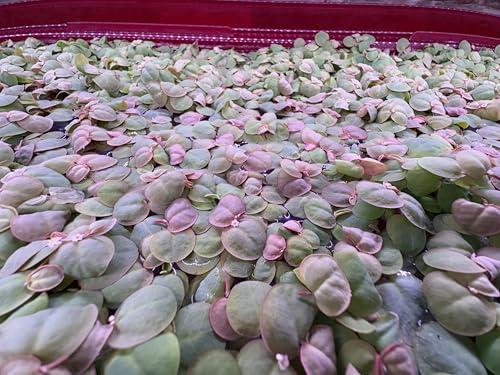
Red Root Floater presents a striking combination of vibrant red-purple undersides and green top leaves, delivering a vivid floating carpet effect. The package specifies at least 50 leaves, suitable for immediate filling of the surface in a mid-sized aquarium. This plant thrives in moderate to high light and benefits from gentle water flow, avoiding strong surface agitation which can damage leaf tips. The red hue adds visual depth and contrast against other floating species and substrate plants.
Like other floaters, Red Root Floater helps with nutrient uptake and can contribute to oxygenation by shading the surface. It can be an excellent choice for hobbyists looking to create a dynamic, color-rich floating landscape while maintaining manageable care requirements. Regular monitoring of light exposure and nutrient balance supports consistent growth and health.
Buying Guide
- Light requirements: Floating plants vary from low to high light tolerance. Assess your aquarium’s lighting and plan a mix that prevents overgrowth or insufficient photosynthesis.
- Growth rate and space: Species range from fast-spreading duckweed to slower Salvinia. Choose a combination that matches your tank size and maintenance routine.
- Nutrient management: Floating plants compete with fish for nutrients. Use a balanced feeding plan and consider weekly water testing for ammonia, nitrites, and nitrates.
- Surface coverage: Dense mats reduce algae by limiting light to deeper layers but can hinder gas exchange if overly thick. Regular thinning helps maintain balance.
- Compatibility with fish and filtration: Some fish may nibble on leaves or roots. Ensure placement and flow patterns minimize plant loss while protecting filter intakes from clogging.
- Maintenance and propagation: Floating plants often multiply quickly. Plan for pruning and consider leaving some plants to self-multiply for continuous coverage.
- Aesthetic goals: Mix leaf shapes and colors (green, red, and variegated) to create a layered, visually interesting canopy over the tank.
- Species diversity: A multi-species approach provides functional benefits (filtration, shading, habitat) and resilience against single-species issues.