Teacup Yorkies require specially formulated small-breed foods that support lean muscles, healthy skin, and energy for a petite frame. This guide highlights five reputable options designed for tiny mouths and fast metabolisms, drawn from trusted brands. Each product emphasizes real meat, targeted nutrients, and digestible kibbles or pâtés that fit the needs of teacup Yorkies. Use the buying guide below to compare protein sources, texture, and feeding considerations to pick a formula that aligns with your dog’s age, activity, and health goals.
Summary of chosen products
| Product | Brand | Key Benefit | Format |
|---|---|---|---|
| Nutrish Little Bites Small Breed Premium Natural Dry Dog Food | Nutrish | Real chicken as #1 ingredient; small kibble ideal for small breeds | 6-lb bag dry food |
| Hill’s Science Diet Puppy Small & Mini Breeds Dry Dog Food | Hill’s Science Diet | DHA for brain development; high-quality protein for growing muscles | 4.5-lb bag dry food |
| Cesar Small Breed Dry Dog Food, Filet Mignon | Cesar | Balanced small-dog nutrition with easy-to-chew bits | 5-lb bag dry food |
| Blue Buffalo Life Protection Formula Adult Small Breed Dry Dog Food | Blue Buffalo | Real chicken first; supports energy with natural ingredients | 5-lb bag dry food |
| Royal Canin Breed Health Nutrition Yorkshire Terrier Adult Dry | ROYAL CANIN | Breed-specific formula for small jaw and coat health | 2.5-lb bag dry food |
Nutrish Little Bites Small Breed Premium Natural Dry Dog Food

Contains one 6-pound bag of small breed dog food. Real chicken is the #1 ingredient and a good source of protein for lean muscle mass and healthy organs. The small kibble size is tailored for teacup and other small breeds, facilitating easier chewing and digestion.
Hill’s Science Diet Puppy Small & Mini Breeds Dry Dog Food

DHA from fish oil supports healthy brain and eye development in puppies, with high-quality protein to fuel growing muscles and active play. Balanced minerals support developing bones and teeth, making it suitable for small and mini breed puppies in their critical growth phase.
Cesar Small Breed Dry Dog Food for Small Dogs

Designed with a perfect balance of taste and nutrition for small dogs. Tender pieces that are easy to chew paired with crunchy kibble provide flavor and texture. The formula includes 26 essential nutrients to support small breed health and help prevent plaque buildup through texture.
Blue Buffalo Life Protection Formula Adult Small Breed Dry Dog Food

Real chicken first, with natural ingredients and no corn, wheat, or soy. This formula supports higher energy needs in small breeds, providing essential proteins and carbs suited for active teacup Yorkies. The blend aims to sustain vitality while delivering balanced nutrition for daily meals.
Royal Canin Breed Health Nutrition Yorkshire Terrier Adult Dry
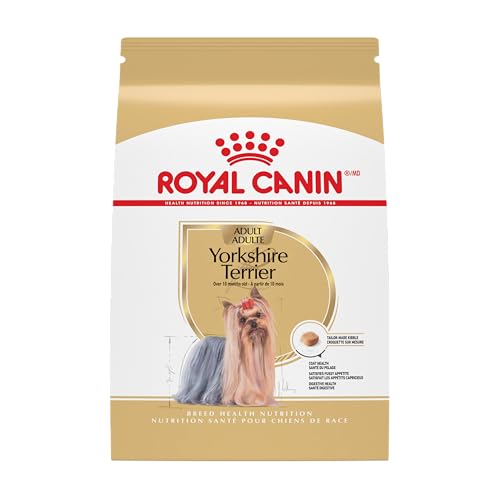
Breed Health Nutrition Yorkie formula features a specialized kibble shape and texture tailored for a Yorkshire Terrier’s small jaw. The diet emphasizes healthy skin and coat through omega fatty acids and biotin, helping support a shiny coat and overall well-being in purebred Yorkies aged 10 months to 8 years.
Royal Canin Breed Health Yorkshire Terrier Adult Loaf in Sauce

Wet formula designed for purebred Yorkshire Terriers aged 10 months and older. Loaf in sauce provides an appealing texture in a paté-style form, with added omega-3 and omega-6 fatty acids to support coat health and skin integrity. The convenient pouch format can help with picky eaters or dogs who prefer wet meals.
Buying Guide: Key Purchase Considerations
When selecting a dog food for teacup Yorkies, several factors influence long-term health outcomes. The following considerations cover multiple perspectives—nutritional science, flavor, texture, and practical feeding needs for very small dogs.
Age and life stage: Puppies typically require higher protein and fat for growth, while adults need balanced energy to prevent weight gain. Some formulas are specifically labeled for puppies or small breeds, while others target adult, senior, or all life stages. For teacup Yorkies, match the product to your dog’s current stage and health goals.
Protein source and quality: Look for real meat as the first ingredient and avoid excessive by-products. Small-breed formulas often feature highly digestible proteins and tailored fat content to support lean muscle and energy without overloading a tiny stomach.
Kibble size and texture: Teacup Yorkies benefit from very small kibble or finely shaped pieces. For puppies or picky eaters, consider a combination of dry and wet textures or soft pâté options to encourage consistent feeding and dental health over time.
Digestive safety: Fiber, prebiotics, and probiotics can support digestion in small dogs. Gradual transitions between formulas reduce the risk of upset stomachs, particularly for seniors or dogs with sensitive stomachs.
Coat and skin support: Yorkies often require fatty acids like omega-3 and omega-6 to maintain a healthy coat. Look for formulas enriched with these nutrients or supplemental fatty acids that align with your dog’s skin condition.
Allergies and sensitivities: Some dogs respond to common ingredients such as corn, wheat, or soy. If a dog shows signs of allergies, seek grain-free or simpler ingredient lists and consider consulting a veterinarian for a tailored plan.
Life stage labels and feeding guidelines: Follow the feeding charts on packaging and adjust based on your dog’s body condition, activity level, and metabolism. Teacup Yorkies typically eat smaller portions more frequently, so monitor weight and behavior as you switch formulas.
Flavor acceptance and palatability: Variety can help with picky eaters. If a dog shows disinterest, mixing a small amount of water, broth, or a topper designed for small breeds can improve acceptance without drastically changing nutrition.
Brand reputation and product variety: Choosing products from well-known brands with breed-specific options helps ensure quality control and ongoing availability. It may be beneficial to rotate between similar formulas to reduce the risk of dietary monotony while maintaining balanced nutrition.