Germane to goat health, selecting the right dewormer helps manage internal parasites without disrupting daily routines. This guide highlights five widely used products, summarizing key features, and offering practical buying considerations for American farms and hobby herds.
| Product | Brand | Key Point | Link |
|---|---|---|---|
| Merck Goat Dewormer 125ml, 2 pack | Merck | Two-pack, compact dosing option | Amazon |
| Manna Pro Positive Pellet Goat Dewormer Medicated, 25 lbs | Manna Pro | Medicated complete feed, reduces need for shots/drenches | Amazon |
| Safe-Guard Dewormer for Goats and Cattle, 10% Fenbendazole Suspension | Intervet | Broad-spectrum, large-volume gallon | Amazon |
| BIOWORMA Pasture Dewormer for Grazing Livestock | BIOWORMA | Biological control, pasture-based program | Amazon |
| Manna Pro Positive Pellet Medicated Goat Dewormer, 25-Pounds | Manna Pro | Medicated pellet option, large size | Amazon |
Merck Goat Dewormer 125ml, 2 Pack
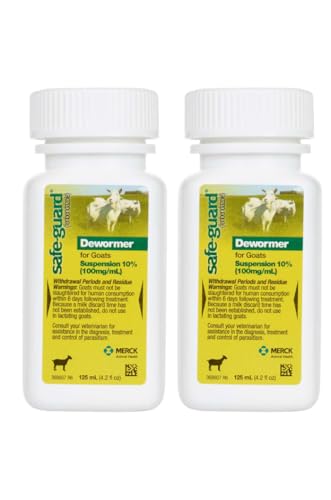
The Merck Goat Dewormer comes in a compact 125ml bottle with a convenient two-pack option. It targets common internal parasites and is suitable for herd-wide applications when dosage aligns with herd needs. Users should follow label directions for species-specific dosing and withdrawal considerations. This option is often chosen for smaller operations or as a backup supply in case of parasite resistance concerns. The product emphasizes proper labeling and safety for handling and administration in goat populations.
Manna Pro Positive Pellet Goat Dewormer Medicated

This medicated pellet dewormer provides a complete feed approach, reducing the need for injections or drenches. It is designed for all classes of meat and dairy goats, including pregnant and lactating does. The fortified pellets streamline feeding programs on larger operations while maintaining parasite control. Dosage and feeding rates should be aligned with the herd’s diet plan and production goals to ensure effective parasite suppression without impacting feed intake.
Safe-Guard Dewormer for Goats and Cattle (10% Fenbendazole)

This broad-spectrum dewormer uses 10% fenbendazole and is designed for large-volume use, making it suitable for farms that treat entire herds on schedule. Its efficacy covers multiple parasite types in goats and cattle, providing flexibility in rotation programs. Users should adhere to dosage guidelines, monitor animal response, and coordinate with herd health plans to ensure consistent parasite control across seasons.
BIOWORMA Pasture Dewormer
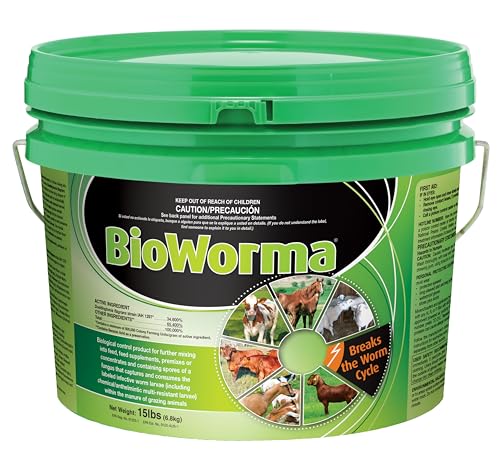
Biology-based pasture deworming aims to interrupt the parasite life cycle with natural control methods. This product targets a wide range of livestock, including goats, when grazing on treated pastures. It emphasizes reducing pasture infectivity by acting on larvae in manure and pasture environments. It can complement rotation strategies and improve parasite control in extensive grazing systems.
Manna Pro Positive Pellet Medicated Goat Dewormer (25-Pounds)
This large 25-pound pellet option provides a long-term feeding solution for goat operations seeking a steady supply of medicated feed. It supports a practical approach to parasite control without frequent handling, though producers should ensure consistent intake and adjust feeding to meet production targets. The product targets internal parasites across various goat classes, including breeding stock and lattice lactating animals.
Buying Guide
- Parasite spectrum: Choose a dewormer that targets the common parasites in your region and flock, including barber pole, brown stomach worms, hookworms, and lungworms as appropriate for goats and co-livestock species.
- Administration method: Consider whether a drenched liquid, medicated pellets, or pour-on/gallon formulations fit your herd management and labor capacity.
- Pregnant and lactating animals: Verify safety and label guidance for does during pregnancy or lactation to avoid production losses or adverse effects.
- Resistance management: Rotate active ingredients and follow veterinarian guidance to minimize drug resistance and preserve dewormer efficacy over time.
- Dosage and withdrawal: Adhere to accurate dosing based on weight, and observe meat/milk withdrawal times as specified on the product label or by a veterinarian.
- Storage and shelf life: Store away from heat and moisture, and note any expiration dates to ensure potency remains intact between rotations.
- Farm size and workflow: For larger herds, large-volume options like gallon suspensions may save time, while smaller operations may benefit from compact packs for quick restocking.
- Vet coordination: Work with a veterinarian to design a parasite control plan tailored to your herd’s age structure, climate, and grazing practices.
- Pasture management: Combine deworming with pasture rotation and manure management to reduce re-infection pressure and support long-term control.