Choosing the right cat food for a cat with a sensitive stomach or frequent vomiting can reduce digestive upset and support overall wellness. The following selections focus on easily digestible ingredients, balanced fiber, and formulas designed to support gut health and a healthy coat. The list below highlights five options with proven digestibility, gut-friendly added fibers, and high-quality first ingredients.
| Brand | Product | Key Benefit |
|---|---|---|
| Purina ONE | Sensitive Stomach, Sensitive Skin | Easy to digest formula with prebiotic fiber |
| Hill’s Science Diet | Adult 1-6 Sensitive Stomach & Skin | Precise balance for sensitive systems; prebiotic fiber |
| Purina Pro Plan | Sensitive Skin and Stomach Lamb & Rice | Gentle ingredients; real lamb; live probiotics |
| IAMS | Proactive Health Sensitive Digestion & Skin | Natural fiber and prebiotics; skin and coat support |
| Royal Canin | Digestive Care Adult Dry | Prebiotics and fiber blend for digestion; stool quality |
Purina ONE Sensitive Stomach, Sensitive Skin

Purina ONE Sensitive Stomach, Sensitive Skin offers a high-protein profile with real turkey as the first ingredient. The formula is designed for cats with sensitive systems and includes an easily digestible recipe with added prebiotic fiber to support gut health. Crunchy bites with calcium help maintain dental health, while multiple antioxidants support immune function. This option targets digestive comfort without compromising palatability for adult cats.
Key considerations: the protein source is straightforward and familiar, and the prebiotic fiber contributes to a balanced microbiome. If a cat responds well to turkey-based recipes and needs gentle digestion, this option is a practical starting point. Always monitor stool quality and appetite after transitioning to a new food.
Hill’s Science Diet Adult 1-6 Sensitive Stomach & Skin
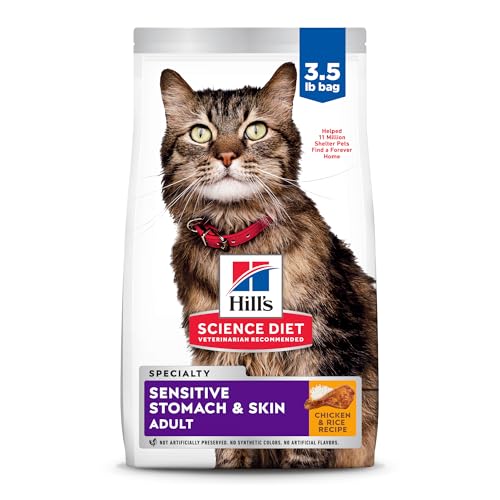
Hill’s Science Diet updates its formula to support cats with sensitive stomachs and skin. The product emphasizes precise balance and highly digestible ingredients, complemented by prebiotic fiber to fuel beneficial gut bacteria. Omega-6 fatty acids and Vitamin E help promote a healthy coat. This combination aims to reduce digestive upset while maintaining coat condition and overall vitality.
Clinical-style guidance suggests a gradual transition over 7–10 days. If a cat struggles with digestion despite the formula, consult a veterinarian to rule out other causes. This option is suitable for owners seeking a science-backed approach with a long-standing reputation in veterinary nutrition.
Purina Pro Plan Sensitive Skin and Stomach (Lamb & Rice)

This Pro Plan formula emphasizes a gentle blend of proteins and carbohydrates with real lamb as the first ingredient. It’s fortified with guaranteed live probiotics aimed at supporting digestive health and immune function. The inclusion of rice and oat meal simplifies digestion for many cats facing stomach sensitivity.
Considerations: lamb-based recipes can be appealing to many cats and may minimize stomach upset. Some cats may respond better to grain-inclusive options; observe stool consistency and energy levels during the first weeks of a switch.
IAMS Proactive Health Sensitive Digestion & Skin

IAMS Proactive Health delivers complete and balanced nutrition with emphasis on sensitive digestion. The formula includes natural fiber and prebiotics to support gut health and uses antioxidants to bolster immune strength. It also promotes a healthy skin and coat via an optimized Omega fatty acid ratio, aiming for a multi-faceted benefit beyond digestion alone.
Practical notes: IAMS is widely available and often cost-efficient. A steady routine helps with digestive stability, but individual cats can differ in tolerance for fiber levels. Introduce gradual changes to assess tolerance and stool quality.
Royal Canin Feline Care Digestive Care

Royal Canin Digestive Care focuses on sensitive stomachs with a precise blend of prebiotics and dietary fiber designed to support digestive health. In a clinical context, the product has demonstrated improvements in stool quality within the first 10 days for many cats. This formula is tailored to cats needing a gentle, selective digestion approach while still delivering complete nutrition.
Considerations: some cats may prefer different textures or flavors; Royal Canin’s digestible profile is particularly suited to owners who want a targeted digestive care option with veterinary-aligned research behind it. Monitor taste preference and stool changes during the transition.
Buying Guide: Key Purchase Considerations For Sensitive Stomach Cats
- Protein source: Choose a simple, recognizable protein (e.g., turkey, lamb, chicken) as the first ingredient. If a cat shows intolerance to a protein, rotate to a different single-protein formula under veterinary guidance.
- Digestive support: Look for prebiotic fibers and natural sources of fiber to support gut microbiota. Probiotics may offer additional immune and digestive benefits for some cats.
- Fiber balance: A moderate fiber blend can help manage stool quality. Extremely high fiber may cause gas or loose stools in some cats; gradual transitions help identify tolerances.
- Coat and skin health: Omega-6 fatty acids and Vitamin E support skin and coat, which can be beneficial for cats with concurrent skin sensitivity.
- Texture and palatability: Some cats prefer dry kibble, while others may do better with a specific shape or size. Introduce a new formula gradually to evaluate acceptance.
- Transition period: When changing foods, mix the new formula with the old food over 7–10 days, gradually increasing the new food percentage.
- Veterinary guidance: Persistent vomiting, weight loss, or poor appetite warrants veterinary consultation to rule out underlying conditions such as allergies or GI disorders.
- Consistency vs. variety: For cats with sensitive stomachs, consistency can reduce digestive shocks. Consider sticking with one effective formula while monitoring for changes in health or stool.
- Life stage and health status: Ensure the chosen formula aligns with the cat’s life stage, activity level, and any chronic health considerations (e.g., obesity, kidney concerns) as advised by a vet.