The right kitten formula supports growth, digestion, and immunity when a mother’s milk isn’t available. This guide highlights five reliable kitten milk replacer formulas, covering powdered and liquid options from trusted brands. Each product is chosen for its closeness to natural milk, easy preparation, and added nutrients like prebiotics, probiotics, and DHA. Below, you’ll find quick-reference details and in-depth product sections to help you pick the best fit for orphaned, nursing, or weaning kittens.
| Product | Brand | Format | Key Nutrients |
|---|---|---|---|
| Hartz Powdered Kitten Milk Replacer Formula | Hartz | Calcium, Taurine, Lysine, Linoleic Acid | |
| PetAg KMR Kitten Milk Replacer Liquid | PetAg | Complete nutrition; easy to digest; vitamins and minerals | |
| PetAg KMR Kitten Milk Replacer Powder | PetAg | Prebiotics, Probiotics, Vitamins | |
| Pet-Ag KMR Kitten Milk Replacer Powder | PetAg | Prebiotics, Probiotics, Easy digestion | |
| PetAg KMR Kitten Milk Replacer Liquid | PetAg | Balanced nutrition; easy digestion |
Hartz Powdered Kitten Milk Replacer Formula

Hartz offers a quick-mix powder designed to mimic mother cat milk. It blends easily with room-temperature water for on-demand feeding, making bottle-time efficient for busy caregivers. The formula includes calcium for bone development, taurine for heart and eye health, lysine for respiratory support, and linoleic acid to promote healthy skin and coat. It’s suitable for newborns through early weaning when prepared according to the package directions. This option is well-suited for households needing a straightforward, readily mixable replacement that still covers essential nutrients.
PetAg KMR Kitten Milk Replacer Liquid

This ready-to-feed liquid formula is designed for newborn kittens to one year old. It emphasizes complete, balanced nutrition with vitamins, minerals, and trace nutrients to support immunity and digestion. The liquid format is convenient for rapid feeding and reduces preparation steps, making it a preferred option for caregivers who value ease of use and consistent intake. It’s formulated to be highly digestible and gentle on the gut, helping kittens establish healthy feeding patterns early on.
PetAg KMR Kitten Milk Replacer Powder (6 oz)

This 6-ounce powder offers a close match to mother’s milk in macronutrient content and includes prebiotics and probiotics for improved gut health. It’s designed for newborns to six weeks old and is easy to digest with a special fiber blend. The formula supports rapid growth and helps establish a healthy digestive balance, making it a common choice for early kitten care and gentle transition to solid foods as they approach weaning.
Pet-Ag KMR Kitten Milk Replacer Powder (12 oz)
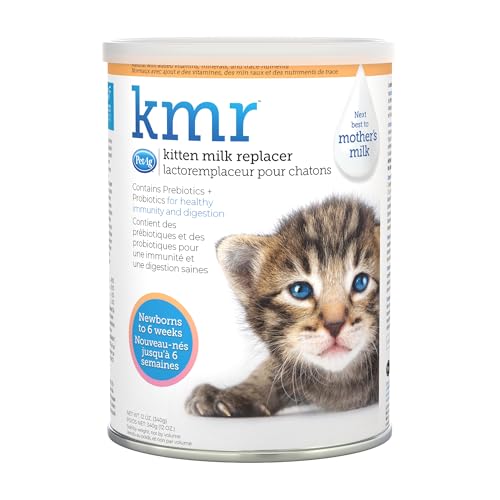
Pet-Ag’s 12-ounce KMR powder combines a near-mother milk protein profile with minerals, vitamins, and amino acids. It provides prebiotics and probiotics for digestive support and easy digestion. This larger size is suitable for households with multiple orphaned or nursing kittens or for long-term use during the early weeks. It’s a dependable choice when consistent nutrition and reliable preparation are priorities for growth and resilience.
Pet-Ag PetLac Powder for Kittens

PetLac powder provides complete nutrition for newborn to six-week-old kittens. It’s designed to support proper growth and development with balanced vitamins, minerals, and amino acids. The formula is easy to digest and palatable, often favored for kittens with sensitive stomachs. This option is useful for caregivers seeking a traditional powdered replacer that emphasizes digestive comfort and steady energy as kittens begin to explore feeding from bowls and transition toward solid foods.
Buying Guide: Key Purchase Considerations
- Form and preparation: Powder formulas require mixing with water; liquids are ready-to-feed. Consider caregiver convenience and the kitten’s feeding schedule when choosing between powder and liquid.
- Age suitability: Many formulas specify newborns to six weeks or up to a year. Align the product with your kitten’s developmental stage and transition plan to solid food.
- Nutrient profile: Look for essential nutrients such as calcium for bone development, balanced proteins and fats, DHA for brain development, and immune-supporting vitamins and minerals. Prebiotics and probiotics can aid digestion.
- Digestibility: Formulas with fiber blends or probiotic content may improve gut health and reduce feeding-related distress in early life.
- Brand reliability: Reputable brands with veterinary recommendations generally offer consistent quality and clearer preparation guidelines.
- Feeding method: Bottle-fed kittens may respond better to formulas designed for bottle use; lapping-friendly options are ideal for kittens transitioning to bowls.
- Storage and shelf life: Powder formulas need proper sealing and cool storage; liquid formulas should be refrigerated after opening and used within guidance from the manufacturer.
- Transitioning to solid foods: Plan a clear weaning timeline (typically 4–8 weeks) and choose a product with smooth compatibility to transition to foods like kitten gruel or soft kibble as advised by a veterinarian.
Kitten nutrition is a critical factor in healthy growth. When selecting a formula, consider the kitten’s current health, feeding schedule, and the caregiver’s ability to prepare and monitor intake. If you have concerns about digestion, immunity, or growth, consult a veterinarian for tailored recommendations and a feeding plan.